Search Results
52 results for “repeat mating”

Six Key Points for Breeding Rabbits in Summer
Summer breeding needs care: mate does below 25°C at cool times, keep bucks at about one mating a day, set first-mating age at 5 to 7 months by size, pair similar-aged adults, and use repeat or double mating to lift conception. Put the doe in the buck's cage, never the reverse.
False Pregnancy in Doe Rabbits
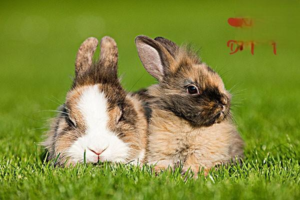
A false pregnancy makes a doe show nesting and swollen mammary signs without any kits, usually lasting 6–8 days and lowering your breeding herd's productivity. It is caused by an infertile or over-stimulating buck, uterine or vaginal inflammation, or the doe's own progesterone after ovulation. Good management, repeat or double mating, pre-mating checks, and timely re-mating keep it under control.

Why Do Kits Die More in Winter?
Winter breeding matters to rabbit farmers; with fewer pathogens, survival should be high — but poor conditions (bad temperature) kill frail kits. Here are the causes and prevention.

How to Raise Rabbits
Successful rabbit keeping rests on healthy breeding stock, a clean ventilated hutch, grouped by size and sex, a digestible diet (pellets, alfalfa, veggies, boiled water), daily cleaning, and preventive vaccines against rabbit hemorrhagic disease and coccidiosis.

How to Prevent False Pregnancy in Female Rabbits
A false pregnancy happens when a doe mates but is not fertilized; she shows all the signs of pregnancy yet has no litter, lowering yearly offspring and cutting farm profit. It is harmless to her health and usually resolves in days. To reduce it, keep breeding records and a family tree, use repeat and double mating to raise conception rates, manage stock well, and confirm pregnancy by palpation around ten days after mating so non-pregnant does can be re-bred promptly.

How to Improve a Buck Rabbit’s Breeding Performance
Improving a buck's breeding performance starts with selection — strong libido, even testicles, stable three-generation genetics, and no cryptorchidism — plus controlled mating (2–3/day with rest days) and a balanced, protein-rich ration raised before breeding. Avoid inbreeding, keep the herd mainly 1–3 years old, and watch temperature: over 30 °C or under 5 °C tanks fertility.

Do Cats Get Periods (Menstruation)?
Cats do not get periods (menstruation)!

Common Questions About Deworming Dogs
Internal deworming must be timely. Regular deworming is a must for every owner, because as a dog grows it inevitably picks up internal and external parasites; left unchecked, severe cases seriously threaten its health.
Factors That Affect a Doe’s Heat
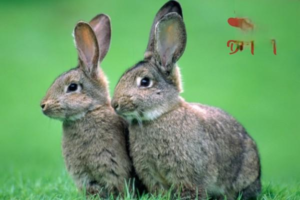
A doe's heat is shaped by inside and outside forces: her ovarian cycle (follicular then luteal phase, induced ovulation, corpora lutea dissolving in 3–5 days if no conception), season and light (peak around the spring equinox at 12 h light, lowest in late December), green-feed supply (rich greens lift heat and conception above 80% in March–April), and mechanical stimulus from group housing. Sunny days raise heat and mating success; rain or snow lower them.

Why Doe Rabbits Have Low Estrus and Conception Rates
Low doe estrus and conception come from poor feed quality or mineral gaps, wrong body condition (best about 80 percent fill), low buck semen quality from heat or drugs, too little light (does need 16 hours daily), and poor weather. Fixing the real cause beats repeated estrus powders.