Search Results
22 results for “regurgitation causes”

How Is Feline Esophageal Stricture Treated?
Feline esophageal stricture (a scarred, narrowed esophagus) blocks food passage and shows as hard eating, vomiting, weight loss, and regurgitation. Mild cases improve with soft food; severe ones need esophageal balloon dilation or even partial removal, plus treatment of the underlying cause. Prevent it with a sensible diet, no corrosive-drug ingestion, and regular check-ups.

Why Your Cat Throws Up Undigested Kibble (and How to Stop It)
Cats that vomit undigested kibble usually have a gut issue. Eating too fast or too much, hairballs from grooming, or gastroenteritis from infection, parasites, or foreign objects are the usual triggers. For mild cases, a short fast plus a pet probiotic helps; hairballs respond to hairball paste or cat grass. If gastroenteritis is the cause, only medicate after vomiting stops, using a vet-prescribed antibiotic and anti-emetic, and keep regular deworming and small meals to protect the gut.
Ornate Horned Frog
The 'Pacman frog' - a round, big-mouthed, voracious amphibian (not a reptile) that sits and waits to ambush. Easy to keep, but handle minimally.
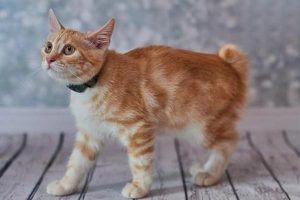
Canine and Feline Primary Lung Tumor
A primary lung tumor arises in the lung tissue itself and is seen mainly in older dogs and cats, with signs much like pneumonia — cough, weight loss, and poor appetite. Surgical removal of the affected lobe is the preferred treatment, though long-term outlook is limited.

Idiopathic Polymyositis in Dogs and Cats
Idiopathic polymyositis is a diffuse inflammation of skeletal muscle, likely autoimmune, causing weakness, fever, stiffness, and lameness. Cats may lose the ability to jump. Catching it early and using immune-suppressing therapy helps prevent wasting.
Canine and Feline Myasthenia Gravis
Myasthenia gravis is a neuromuscular disease in which the body blocks the receptors that let nerves activate muscles, causing weakness that worsens with activity. It is managed with immune therapy and drugs that improve nerve-muscle signaling.
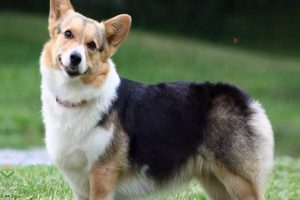
Persistent Right Aortic Arch in Dogs
Persistent right aortic arch is a congenital blood-vessel defect in which an embryonic arch presses on the esophagus and blocks passage of solid food. Affected puppies are hungry but regurgitate after eating. Early surgery relieves the obstruction.

Esophageal Obstruction in Dogs and Cats: Symptoms, Treatment, and Prevention
Esophageal obstruction is a blockage of the food pipe in dogs and cats, often from a swallowed bone or other object, causing distress, drooling, and regurgitation. It is an emergency relieved by veterinary removal of the object.

Esophageal Dilatation in Dogs and Cats: Symptoms, Treatment, and Prevention
Esophageal dilatation is widening of the esophagus in dogs and cats that impairs movement of food, causing regurgitation and weight loss. Congenital and acquired forms are managed with special feeding techniques and veterinary care.

Common Gastrointestinal Diseases in Cats
Many diseases can affect the gastrointestinal (GI) tract. Symptoms such as vomiting or diarrhea are common in GI disorders. Regurgitation (the effortless expulsion of stomach fluid, mucus, and undigested food from the esophagus) is frequent in esophageal disease.
- « Previous
- 1
- 2
- 3
- Next »