Search Results
5 results for “refractory vomiting”
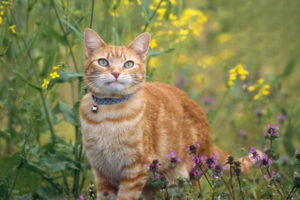
Can You Treat Cat Vomiting with Chinese Medicine?
Vomiting in cats ranges from mild nausea to refractory vomiting with bile or blood, and the underlying cause — diet, toxins, or disease — decides the treatment. A traditional herbal formula (banxia, dried ginger, persimmon calyx, dried tangerine peel in honey pills) calms many types of vomiting, while toxic cases need an injectable antidote and severe dehydration needs fluids first. Always keep water available and resume small, easily digested meals once vomiting stops — never starve the cat.

Treating Refractory Anorexia in Dogs
Stubborn, hard-to-cure anorexia in dogs usually starts from eating unclean food or a sudden weather change that upsets digestion. Affected dogs run a temperature swing, vomit and diarrhea, and hide, and are managed with fluid and cardiac support plus oral antiviral, hemostatic, and antibiotic medication.
Can feline distemper heal on its own?
Feline distemper generally does not heal on its own; take the cat to the vet promptly, as timely treatment lowers the death rate. Symptoms include persistent high fever, refractory vomiting, severe diarrhea, refusal to eat, and sharply dropped white cells. It is highly contagious, so isolate other cats and monitor them, or test all with distemper antibody strips.

Glycogen Storage Disease in Dogs and Cats
Glycogen storage disease is an inherited metabolic disorder in which a congenital lack of glycogen-splitting enzymes lets glycogen accumulate in the liver, kidneys, and central nervous system. It causes persistent low blood sugar with weakness, seizures, and incontinence, and needs prompt veterinary care to avoid irreversible brain damage.

Constipation in Dogs and Cats
Constipation is the difficult or absent passage of stool as fecal material hardens and accumulates in the bowel, eventually distending the intestine. It most often affects older dogs and cats and causes straining, discomfort, and loss of appetite; management ranges from enemas and stool softeners to surgery in severe cases.