Search Results
285 results for “reduce cat hair”
10 days after first imported vaccine, a cat-ringworm patch appeared; left front leg swollen with hard lump, walks fine; after two days front part reduced but hard lump remains, back part unchanged, painful, not red, no ringworm/hair loss there. Is it ringworm or vaccine lump? Vaccine was in neck.
Ringworm rarely causes limb lumps; vaccine was in neck, so unrelated. Sudden limb lump needs a vet check - trauma, skin disease, arthritis, or bone. If scaling/redness appears, suspect fungal/skin; iodine locally, then treat by result.
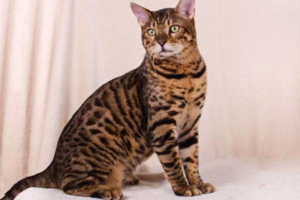
Why Your Cat Sheds So Much in Spring
Heavy spring shedding is usually normal as the winter coat drops, but loss that happens off-season can signal poor nutrition, a hormonal imbalance, or parasites and fungal infection. Daily brushing with a little massage is the best remedy, because healthy skin is what keeps shedding under control.

Cat Kidney Failure: Symptoms and Treatment
Kidney disease is a leading killer of cats, and renal failure comes in two forms — acute (ARF), often from blockage, toxins like antifreeze, or infection and reversible with fast care, and chronic (CRF), a progressive, permanent decline common in older cats. Management means prescription renal food, ongoing meds, appetite support, and plenty of water; catch it early, because CRF hides until uremia appears.
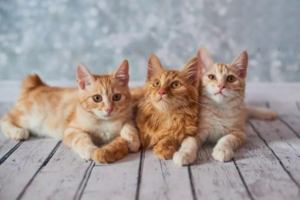
The Benefits of Brushing Your Cat
Brushing your cat does far more than tidy the coat — it boosts circulation, cuts shedding, prevents mats, catches skin problems and parasites early, lowers hairball risk, and builds trust. During shedding season, frequent grooming also spares both cat and owner from stray fur.

What to Do When a Hairless Cat Catches a Cold
Hairless cats have no fur to insulate them, so they catch chills easily—keep a sick cat warm, hydrated, and well-fed, and use heat-clearing or antiviral medication for cold symptoms. If eye discharge, red eyes, or fever appears, the cause may be feline rhinotracheitis and needs prompt veterinary care. Year-round, hairless cats need indoor living, clothing in winter, regular wiping in summer, and a calm, safe environment.

Common Hereditary Diseases in Purebred Cats
Selective breeding has given us stunning purebred cats but also concentrated many hereditary diseases—from polycystic kidney disease and hypertrophic cardiomyopathy to the cartilage disorder behind folded ears. Knowing which conditions each breed is prone to helps owners catch problems early.

Maddening Cat Shedding
Cat shedding is the bane of every cat-owning home. Imagine clothes perpetually covered in fur; you diligently lint-roll them again and again, only to have the cat restore the mess the next day. Owners may develop 'fur phobia' from hair in food and drink, even wondering if they need hairball paste themselves.

Why Cats Vomit Hairballs and How to Manage Them
Every spring and autumn cats shed, and licking never stops. More loose fur is swallowed, and if it isn't vomited or passed out in time, hairball syndrome develops.

How to Treat and Remove Cat ‘Black Chin’ (Feline Acne)
Why does my cat have black dots on the chin that return after cleaning, then turn red and spread? Let's look at the causes and treatment of feline acne.

Cat Ringworm: Treatment and Prevention
Ringworm is a common feline skin disease, mostly in low-resistance cats. Microsporum canis and Trichophyton are the two main fungi; 90% from M. canis, evolving into irritating ringworm. Here's the detail.