Search Results
219 results for “red itchy skin”
Why Is My Teddy (Poodle) Red All Over?
Whole-body redness usually comes from allergies, parasite infection, or fungal infection. Each needs different treatment, so see a vet to confirm the cause. Food allergies release histamine and cause red, itchy skin.
My dog’s inner front leg is red and it keeps licking it
Redness from constant licking points to itch from fungus, bacteria, mites, or allergic dermatitis. Use an Elizabethan collar to stop licking, disinfect with an antiseptic, apply a vet-recommended antibacterial spray, and get a skin scraping if possible.

Treating Mite Skin Disease in Dogs
Mites hide in hair follicles and show as patches of hair loss, redness, and itching that worsen without care. A vet check, a skin spray and ointment, and a clean, dry, disinfected home bring the fastest recovery.

Schnauzer With Bumps and Scabs on the Skin
Bumps and scabs on a Schnauzer's skin usually point to a parasite problem or a fungal or bacterial infection. Small affected areas can often be managed at home with gentle cleaning and a vet-recommended spray, but widespread or worsening lesions need a vet visit.

How to Treat Skin Disease in a Poodle (Teddy)
Poodles have dense, curly coats that trap moisture and parasites, making them especially prone to mite-driven skin disease in hot weather. Red, itchy bumps, hair loss, and constant rubbing against furniture signal infection. Treatment pairs a topical parasiticide with an oral dewormer, plus a medicated ointment for severe cases, and omega fish oil to aid coat recovery.

What to Use for a Dog With Itchy Red Dots
Widespread red dots with itching usually mean a parasitic skin disease that needs prompt care. Clip the fur, apply antifungal spray and ointment, then keep up external parasite control to stop it returning.
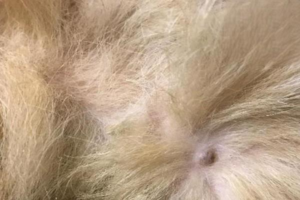
Why Your Dog’s Legs Are Itchy with Bumps
Itchy bumps on the legs often point to a parasitic skin disease, usually mites, and can spread over the whole body. Clip the fur, treat with antifungal spray and ointment, add vitamin B, then follow up with external parasite control.

Can Dogs Be Allergic to Their Own Kibble?
Dogs can be allergic to kibble, and it is not rare; the usual trigger is grain. Descended from wolves, dogs are built to digest protein and fat, so too much wheat, rice, or corn can cause poor digestion and allergy, and tolerance varies by individual. Signs include hair loss, red itchy skin, spots, restlessness, breathing trouble, runny eyes and nose, swollen paws, and gut upset like vomiting or diarrhea. If your dog is allergy-prone, choose grain-free food and introduce any new food in small test amounts first.
What happens if a dog eats shampoo?
Shampoo's detergents, fragrances, and chemicals irritate the gut, causing belly pain, nausea, vomiting, diarrhea; some dogs allergy (red skin, itch, breathing trouble); chemicals burden liver/kidneys. If much is eaten, give water to dilute; if severe, see a vet.

How to Tell If Your Cat’s Deworming Worked
If a cat already had worms, check a week later: no eggs or live worms in the stool means internal parasites are cleared, and parting the coat should show no fleas, lice, or ticks. Mites need a skin scrape and healing check. If signs remain, use a correctly matched product and repeat in 10-15 days.