Search Results
1780 results for “red eyes”
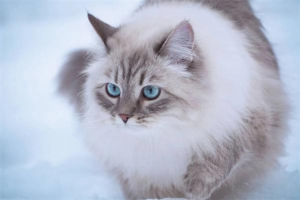
Cat Breeds with Beautiful Blue Eyes
A cat's eye color is set by its genes, and breeds carrying the dominant white gene most often have blue eyes. Several popular breeds share this striking feature, from the silky Balinese and friendly Birman to the plush Himalayan and elegant Persian. The blue-eyed Siamese and its relatives, the Ragdoll and Snowshoe, are favorites for their vivid gaze and gentle nature. If you are drawn to blue eyes, learn each breed's temperament and needs before choosing the one that fits your home.

Why Dogs Get Tear Stains and Dirty Fur Around the Eyes
Dog eyes connect to the nose, so when the nasolacrimal duct is blocked or swollen by inflammation, tears cannot drain or evaporate and spill out. Tear stains form when tears and other eye discharge sit uncleaned on the fur and oxidize into dark marks - most visible on light-colored coats. Causes split into innate (flat-faced breeds like Pugs, Bulldogs, Exotic and Persian cats have tight ducts), disease (ear infection, entropion, dacryoadenitis, conjunctivitis), and habits (salty food, overlong fur poking the eye). Clean gently with a boric-acid cotton ball or cool water from the inner corner outward, then apply eye drops; genetic stains need patient, regular care.

What to Check When Buying a Purebred Poodle Puppy
Purebred and mixed poodles can look very similar as puppies, so choosing a healthy, well-bred young dog takes a careful eye. Beyond coat and conformation, the real signals of a good puppy are its skin, eyes, body, family history, and vaccination record. Here is a practical checklist before you bring one home.

Why Do Cats’ Eyes Glow in the Dark?
The ancient Egyptians believed cats trapped the setting sun's light in their eyes until morning; the Greeks thought a flame flickered inside. The real reason is a layer called the tapetum lucidum behind the retina. It reflects light back through the retina, giving the light-sensitive cells a second chance to catch it, which is why cats see far better than us in dim light. The glow is usually green or yellow, and many other animals share this trick.

Senior Dog Vision Fading? Foods That Protect the Eyes
Eye disease is common in dogs—conjunctivitis, keratitis, glaucoma, cataracts—and over half of dogs past ten develop cataracts. Diet can slow that decline. Vitamin A from liver and carrot supports night vision; antioxidants like lutein, vitamins C and E, and anthocyanins guard the retina; omega-3 from fish eases dryness. Avoid overdoing vitamin A or raw food, and get seniors checked yearly.

Why Are My Cat’s Eyes Always Wet?
Constant wetness at a cat's eye corners is usually harmless tear pooling—after waking, mild dust, or the narrow tear ducts of flat-faced breeds like Exotics and Persians. But it can also signal conjunctivitis, keratitis, a blocked tear duct, or irritating fur. Yellow-green pus, swelling, or sneezing with poor appetite means a vet visit. Start with gentle cleaning and a few days of observation.
Why is my cat tearing up or have watery eyes?
Causes: irritants, eye disease, odors, allergies, respiratory infection. Flush debris with saline; red or swollen eyes need a vet.
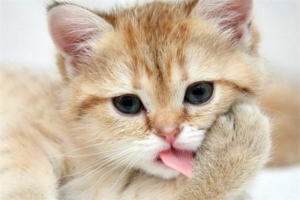
Why Your Cat’s Eyes Keep Getting Inflamed
Frequent feline eye inflammation often starts with a dirty, dusty home that lets bacteria or fungi take hold, or with injuries from branches and grass during play. Allergies to pollen, dust, or food can trigger it, and some cats are born with eyelid deformities like entropion or ectropion that invite infection. Have a vet confirm the cause and treat with medication or surgery when needed. At home, keep the environment clean, limit outdoor risks, and wipe the eyes regularly with saline to cut down on dust and bacteria.
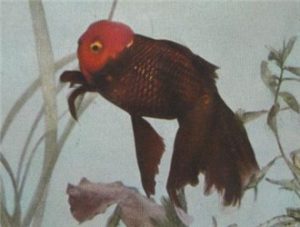
Brown Oranda with Red Head
The Brown Oranda with Red Head is a goldfish variety, a rather precious one of the Wen-jin group. Because it resembles the Purple Oranda, care is needed when buying to tell them apart.

Redeye Tetra
The Redeye Tetra (Moenkhausia sanctaefilomenae) reaches 5-7 cm as an adult, with a silver-gray body. Very peaceful and fond of schooling, it occupies the mid-upper layers and is easy to keep. It is a close relative of the head-and-tail light tetra and easily confused with it by beginners.