Search Results
1780 results for “red eyes”
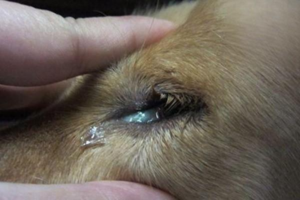
Why Dogs Get Yellow Eye Discharge
Some yellow eye discharge is normal, but heavy yellow gunk with red lids can mean heat, eye inflammation, or even distemper. Keep the eyes clean, feed a cooling diet, and see a vet if it persists.

What Colors Can Dogs See?
Dogs see fewer colors than people and read the world in yellows, blues, and grays, but they outsee us in dim light thanks to a reflective retina layer. Breed shape tweaks focus and field of view, and any eye irritation needs a vet, not a DIY poke.
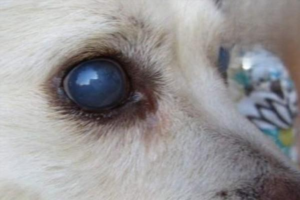
What to Do About Dog Cataracts
Cataracts cloud the lens and slowly steal a dog's sight, worst in older dogs where it advances slowly. The only real cure is surgery, but early stable cases may need none; afterward, careful aftercare and breed-specific eye hygiene matter.
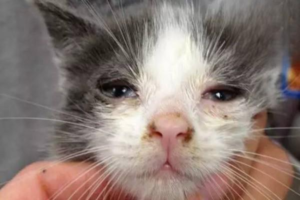
What to Do When Your Cat Has Cat Flu
Cat flu (feline rhinotracheitis) is often mistaken for a cold but is a viral upper-respiratory infection that can kill if ignored, especially in kittens. Antiviral and lysine support plus a clean, low-dust environment are the main care steps.

Dog Food That Works Best for Tear Stains
Tear stains are dried tears that spill onto the fur when the ducts cannot drain them, usually from irritation, high-salt food, or poor diet. A light, low-sodium natural food plus simple eye care is the most reliable way to reduce them.

What to Do When a Puppy Has Pus-Like Eye Discharge
Pus-like eye discharge in a puppy can mean a bacterial eye infection, dehydration from gut or systemic illness, or simply a diet too rich and salty. Match the cause to the treatment: gentle food and vitamins for dietary heat, antibiotic eye drops for infection, and prompt vet care for underlying disease or eyelid problems.

What to Do When Your Cat’s Eye Is Inflamed
An inflamed cat eye brings constant tearing, swelling, redness, and more discharge. Wipe gently with a warm cotton ball and use a cat-specific eye drop for mild cases, but never human drops. If discharge seals the eye shut or an injury is suspected, see a vet — and keep the cat out of bright light.

Early Signs of Cat Rhinotracheitis (Feline Herpesvirus)
Cat rhinotracheitis, caused by feline herpesvirus-1, is a highly contagious respiratory infection that spreads quickly between cats. Early signs look a lot like a cold — watery eyes, sneezing, nasal discharge, low energy, and poor appetite — but left untreated it can turn serious and even fatal. Isolating a sick cat and seeing a vet promptly are the most important first steps.

What to Give a Dog for Cough and Runny Nose
A coughing, sneezing dog recovers fastest when you match the treatment to the cause—diet-related heat, fever, weak immunity, or environmental irritants each call for a different response. Pinpointing the trigger is what lets you give the right remedy instead of guessing.

What to Do When Your Cat Sneezes and Has a Runny Nose
A cat cold usually starts from a chill, and if it drags on for over a week it needs real attention—left alone it can lead to coughing, dehydration, or low fever. Check the temperature, keep the cat warm, rule out serious illness, and support recovery with food and fluids.