Search Results
1780 results for “red eyes”

Choline Deficiency in Dogs and Cats
Choline deficiency in dogs and cats, an anti-fatty-liver nutrient, causes fatty liver, poor growth, and a bone deformity known as perosis with joint swelling and unsteady gait. It is corrected by adding choline to a complete diet.

Biotin (Vitamin H) Deficiency in Dogs and Cats
Biotin (vitamin H) deficiency in dogs and cats causes scaly dermatitis, hair loss, poor growth, and later weakness, diarrhea, and hind-limb paralysis. It is usually due to raw-egg white (avidin) or gut flora imbalance, and is corrected with dietary biotin.
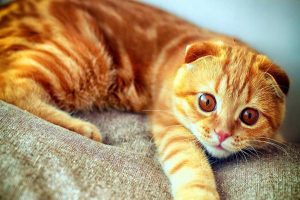
Riboflavin (Vitamin B2) Deficiency in Dogs and Cats
Riboflavin (vitamin B2) deficiency in dogs and cats causes poor appetite, stalled growth, and characteristic lesions of the skin, mouth, and eyes including dermatitis, cheilosis, and corneal clouding. It is corrected with dietary riboflavin and a balanced ration.

Canine and Feline Pemphigus Foliaceus
Pemphigus foliaceus is the most common autoimmune blistering skin disease, causing crusted, raw, and hairless patches, usually on the face and ears. It is controlled with immune-suppressing therapy.
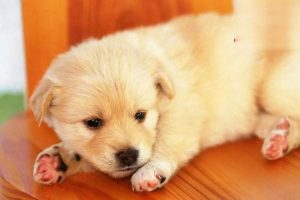
Neonatal Jaundice in Puppies (Neonatal Isoerythrolysis)
Neonatal isoerythrolysis is a blood-type mismatch in which a newborn ingests antibodies from the mother's first milk that destroy its own red cells, causing anemia and jaundice. Separating the puppy from the mother and bottle-feeding saves lives.

Canine and Feline Insulin Deficiency (Diabetes Mellitus)
Diabetes mellitus develops when the pancreas cannot make enough insulin, so blood sugar stays high. It causes increased thirst and urination, weight loss, and poor appetite, and is managed with insulin therapy plus dietary and weight control.
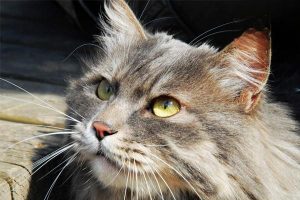
Hepatic Encephalopathy in Dogs and Cats
Hepatic encephalopathy is a neurological syndrome in dogs and cats caused by liver dysfunction that allows toxic metabolites such as ammonia to reach the brain. It produces recurring signs ranging from lethargy and ataxia to seizures, circling, and coma, and is often triggered by high-protein meals, gastrointestinal bleeding, or dehydration.

Hydrocephalus in Dogs and Cats: Symptoms, Treatment, and Prevention
Hydrocephalus is accumulation of cerebrospinal fluid within or around the brain, from birth defects or later causes such as vitamin A deficiency, meningitis, or chronic disease. It causes dullness, poor vision, and aimless wandering, and has no specific cure beyond supportive care.
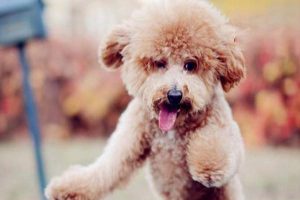
Glomerulonephritis in Dogs and Cats
Glomerulonephritis is immune-mediated inflammation of the kidney's filtering units, often following infection or toxicity, causing fever, vomiting, kidney pain, and later blood in the urine or edema. Veterinary care controls inflammation and protects kidney function before uremia develops.

Pulmonary Edema in Dogs and Cats: Symptoms, Treatment, and Prevention
Pulmonary edema is non-inflammatory fluid leaking from lung capillaries into the air spaces, causing severe breathing difficulty and frothy pink nasal discharge. It is an emergency treated by calming the pet, oxygen, diuretics, and addressing the underlying cause.