Search Results
683 results for “recovery care”

What to Do When Your Cat Has Watery Diarrhea
Watery diarrhea in cats can signal anything from routine enteritis to serious feline panleukopenia, and the right treatment depends on the underlying cause. Bloody stool, vomiting, fever or weakness means urgent veterinary care. Supportive care at home helps only once the cause is identified.

What to Do When Your Cat Catches a Chill
Cats catch colds easily from baths, seasonal shifts and temperature swings. Treat early to prevent the illness from deepening into something worse. Symptomatic care plus warmth, hydration and good nutrition usually gets a mild case back on track.

Visible Signs of a Cat Cold
A cat cold shows up as sneezing, nasal discharge, coughing, a raised temperature, low energy and poor appetite. Spotting these signs early lets you treat promptly and spare your cat days of discomfort. Treatment is symptomatic—you address each sign as it appears.

Cat Has Had Yellow Nasal Discharge for Six Months
Persistent yellow nasal discharge in cats usually points to a chronic upper-respiratory infection such as feline viral rhinotracheitis, or less commonly pneumonia. When the symptom has lasted six months, the condition is well established and needs a proper veterinary work-up rather than guesswork. Supportive home care can ease discomfort, but lasting or recurring discharge warrants diagnostic testing.

What to Do About a Red Lump on Your Dog’s Leg
A red lump on the leg isn't normal — it may be lingering inflammation or abnormal cell growth, and needs a vet check. Watch its speed; fast growth or bursting means see the vet at once, as it could be malignant. Most are cured with one surgery.

Why Is Your Dog Throwing Up Yellow Foamy Fluid?
Yellow, foamy vomit points to a gut problem such as gastroenteritis. Withhold food, offer water to settle the stomach, use a vet-formulated anti-vomit remedy, and see a vet if fever or diarrhea appears — puppies need a distemper/parvo check first.

Why Your Dog Keeps Scratching with White Flakes
White flakes usually mean either a missed bath or ringworm. If you bathe monthly and the flakes persist, suspect ringworm — look for hair loss, red skin, and scabs. Treat early spots with spray alone; clip and combine spray and ointment for widespread cases.
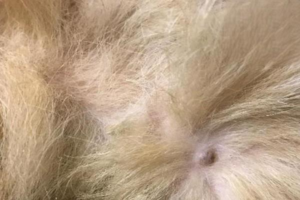
Why Your Dog’s Legs Are Itchy with Bumps
Itchy bumps on the legs often point to a parasitic skin disease, usually mites, and can spread over the whole body. Clip the fur, treat with antifungal spray and ointment, add vitamin B, then follow up with external parasite control.

What to Do When Your Dog Has Ringworm on Its Face
Ringworm on a dog's face causes hair loss, itching, bumps, scabs, and redness, and spreads to other pets — isolate and collar the dog first. Disinfect, clip and treat the spot with antifungal spray and ointment, and add nutrition and parasite control.

What to Do When an Alaskan Malamute Has Skin Disease
An Alaskan Malamute with skin disease shows itching, hair loss, and scabs that can spread across its large body if ignored. Clip the affected fur, disinfect, apply antifungal spray and ointment, and keep the environment clean.