Search Results
683 results for “recovery care”

How to Treat Joint Effusion in Dogs?
Joint effusion—fluid building up from joint inflammation—is common and painful; at the first signs see a vet and follow their plan. Causes include arthritis, infection, and structural abnormality. Treatment ranges from anti-inflammatory and pain drugs, physical therapy (heat/cold/massage), and surgery for severe cases, plus joint supplements like glucosamine. Prevent with weight control, moderate exercise, and avoiding joint overuse.
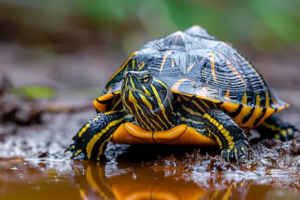
What Are the Common Diseases in Aquatic Turtles?
Common aquatic-turtle diseases—shell rot, colds, digestive illness, parasites, and white-eye disease—usually stem from poor feeding, dirty food, or bad water. Manage water quality and diet, keep the habitat right, and feed clean food to cut risk. Each condition has distinct signs and a targeted treatment, from shell cleaning to warm-water isolation.

Can a Rabbit Recover from Heatstroke on Its Own?
Rabbits have some self-recovery ability, so mild heatstroke may pass on its own, but severe cases rarely do and can be fatal, so never rely on it—act fast. Signs include high temperature, rapid breathing, and fast heartbeat; move the rabbit to shade, cool the ears and head with a damp cloth, and replace fluids and electrolytes. Prevention means ventilation, lighter summer feeding, lower density, and electrolytes in the water.

What to Do About Your Dog’s Cherry Eye
Cherry eye is linked to genetics and eye inflammation; breeds like Bichon, Pomeranian, and Chihuahua are prone. It shows as a red lump in the inner corner. Mild cases may recede with drops, but most need surgery to tuck the gland back and avoid dry eye.

What to Do When Your Cat Has Swollen, Red Gums?
Swollen, red gums in cats can come from plaque, tartar, oral infection, poor nutrition, or teething. Mild cases may respond to a pet oral antiseptic spray or anti-inflammatory medication, while tartar and periodontal disease may need a dental cleaning or extraction. Feeding soft wet food and rinsing with pet mouthwash during recovery, plus regular brushing, prevents recurrence.

Why Must Cats Fast Before Surgery?
Cats must fast before surgery so that food or water in the stomach cannot be inhaled into the airway under anesthesia, which could cause choking or death. After surgery, keep them warm and quiet, watch food and water, care for the wound, and limit activity.
How long until a frightened cat recovers?
A mildly frightened cat recovers in hours, but a severely stressed one may need 3 to 5 days or more. Comfort it in a quiet, safe place to calm down.
What happens if a cat’s stitches are not removed?
Leaving stitches in slows healing and risks infection if care is poor. Most surgeries use dissolvable thread, but vets still recommend removal to speed recovery.
How long for a dog’s broken nail to heal?
A broken nail usually heals in about 7 days, longer if infected. During healing clean and disinfect to prevent infection. Trim nails regularly to avoid breaks, and avoid cutting the quick to prevent harm.
How long can a dog with hyperthyroidism live?
Life span depends on treatment; with good care the dog returns to normal life. Signs are clear: weight loss, bulging eyes and thyroid swelling, so caught early. Treated in time, recovery is good; without enough treatment and infection, life is at risk.