Search Results
683 results for “recovery care”
My cat’s back leg was limp a week ago, now walks normally but has a hairless lump it won’t let me touch
Treatment depends on the injury type. For a skin scrape, clean with iodine or alcohol and apply erythromycin ointment, with an Elizabethan collar to prevent licking. A deep wound needs a vet for bandaging and shots. Non-healing wounds need X-rays of bone and joint, then surgery or rest with limited activity.

Komondor
The Komondor is a huge Hungarian livestock guardian famous for its white corded, mop-like coat; it is alert, brave and deeply loyal, and is a guardian rather than a herder.
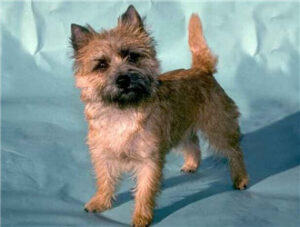
Cairn Terrier
The Cairn Terrier is the smallest working terrier from Britain, a loyal and devoted dog that is a fine family companion but needs regular grooming and warm-weather care.

Gordon Setter
The Gordon Setter is a Scottish gundog from the 17th century, recognized by its black-and-tan coat. A beautiful, intelligent, and hardworking hunting dog, it is alert, cheerful, confident, and deeply loyal.

Pharaoh Hound
The Pharaoh Hound is an ancient Maltese breed prized for its noble looks, amber eyes and keen hunting instinct. Alert, affectionate and playful, it is a gifted rabbit-hunting dog and devoted companion.

Siberian Huskiy
The Siberian Husky is a medium-sized working dog bred by the Chukchi people of Siberia to pull sleds. Friendly, energetic and wolf-like in appearance, it is now a popular but strong-willed companion.

What to Do When Your Dog Is Bitten in a Fight?
When a dog is bitten in a fight, judge the severity first — a large or bleeding wound needs a vet at once. Minor wounds can be cleaned at home with clipping, saline, and iodine, plus an Elizabethan collar and a prompt rabies vaccine.

Treatment Principles for Pet Tortoise Pneumonia
Tortoise pneumonia can be bacterial, fungal, viral, mycoplasma, or chlamydia — identify the cause first. Mild cases use gentamicin soaks, moderate cases amoxicillin, severe cases injectable antibiotics, with glucose fluids and vitamins as supportive care.

Causes and Treatment of Arowana Cloudy Eye
Arowana cloudy eye is mainly caused by poor water quality or bacteria (tuberculosis bacteria, vibrio) attacking the eye. Early cases need no drugs — the classic three methods work — while late-stage cases require antibiotics or a dedicated fish-eye medication.
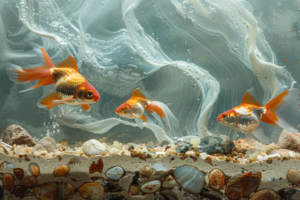
How Should You Treat Arowana Cloudy Eye?
Treat arowana cloudy eye by addressing its cause: restore water quality for cases from bad water, use medication for bacterial infections, and treat the underlying ich if that is the trigger. Acting in the early stage and controlling dosage strictly gives the best recovery.