Search Results
683 results for “recovery care”
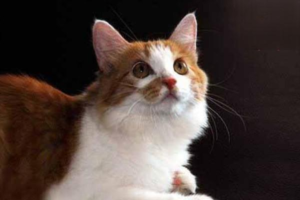
Can FIP Be Cured? How Is FIP Treated?
FIP is no longer a certain death sentence thanks to modern medicine. This guide covers the antiviral drugs (GS-441524, GC376), care during treatment—transfusion, avoiding fluid draws, nutrition—and recovery supplements.

Feline Coronavirus and FIP: Understanding the Connection
Feline infectious peritonitis (FIP) is caused by a mutated feline coronavirus. It is not actually contagious, but it is serious. This guide covers what FIP is, its dry and wet forms and symptoms, and what to do if a cat is infected.

What to Do When Your Hamster Is Limping
A hamster can limp after a fall—often from the second level of its cage. This guide covers first aid with Yunnan Baiyao spray, recognizing fractures that need a vet, creating a safe recovery space, and diet tips to speed healing.
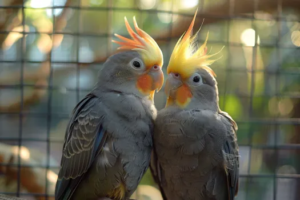
How to Trim a Pet Bird’s Wings
Trimming a pet bird's wing feathers limits flight so it can move safely in a small space without escaping, but improper cutting can remove flight ability entirely. Generally clip about three-quarters of the wing feathers, never cutting the skin. Proper technique, tools, and timing keep the bird safe and build trust.

What to Do If Your Dog Has Eye Worms?
Eye worms (Thelazia) cause corneal or conjunctival ulcers, discharge, redness, and tears, and can lead to perforation or blindness if untreated. Rinse the eye with saline, use a levamisole-based drop under vet guidance, then chloramphenicol to control inflammation. Also deworm internally and note it can spread to humans.

Causes and Treatment of Cat Cystitis
Cat cystitis is a common and painful urinary condition caused by bacterial infection, diet, stress, and environmental factors. Affected cats show frequent, painful urination and cloudy or bloody urine. Treatment combines antibiotics, dietary adjustment, and good litter-box hygiene, with prevention focused on hydration and a clean environment.
Will a Cat Pass a Swallowed Object on Its Own?
A cat may pass a small, smooth object, but larger or oddly shaped items can block the gut and cause serious harm. Watch for poor appetite, lethargy, vomiting, drooling, or belly pain and see a vet; diagnosis may use endoscopy or X-ray, with treatment from monitoring to surgery.

Can a Cat’s Spay/Neuter Wound Infection Heal on Its Own?
A mild, infected spay/neuter wound may heal at home with cleaning and care, but severe pus or neglect won't self-heal and risks complications. Watch the wound daily, clean with saline, apply antiseptic, use an Elizabethan collar, and see a vet if it's serious.

What to Do When Your Dog Has a Cold and Cough
Caring for a dog is like raising a child - feeding, shelter, and sickness all fall to you, and the common cold is near the top of the list. A dog with a cold looks defeated: ears down, eyes shut, motionless in the bed, with a rising temperature (adult dogs run below 39.2C, puppies 38-39C; above 39C means fever). It also coughs, has a runny nose, red conjunctiva, poor appetite, and shivers from the cold. Do not bathe a sick or coughing puppy - bathing strips a protective layer and lowers immunity. Keep the sleeping area warm with a blanket or hot-water bottle, dress the dog for walks, and keep the bed out of drafts. For the cough and runny nose, a half-packet of children's cold granules three times a day for about a week helps; dog-specific supplements are an option too. Feed nutritious food like beef and vegetables to build resistance, and catch illness early.

Why Won’t a Mother Cat Eat After Giving Birth?
A new mother cat may refuse food from exhaustion, pain, mastitis, postpartum calcium deficiency, hormone swings, or anxiety. Hormone or exhaustion/pain causes usually recover with rest. Offer tempting foods like canned food, goat milk, crucian carp soup, or chicken breast. Calcium deficiency or mastitis show swollen breasts, fever, weakness, twitching—see a vet.