Search Results
242 results for “raw fish”
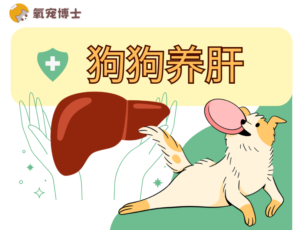
Foods That Support Your Dog’s Liver
The liver filters toxins, stores nutrients, and makes bile, yet it stays silent until heavily damaged—so daily support matters. Quality protein, cruciferous vegetables, and berries aid detoxification, while milk thistle, dandelion root, and omega-3s protect cells. Just as vital is what to skip: fatty foods, toxic items like chocolate, onion, and grapes, and human medicines that strain or poison the liver. Keep water flowing and weight healthy.

Should Cats Eat One Food or Rotate?
Feeding one food keeps a cat's gut stable and makes health changes easy to spot, but it risks nutrient gaps, pickiness that fights later prescription diets, and silent formula changes. Rotating broadens nutrition and spreads product-risk, yet sudden or too-frequent switches upset the stomach. The balanced answer is to rotate on a schedule, with a slow 7–10 day transition and a few months on each food.

How to Feed a Nursing Mother Cat
A mother cat loses large amounts of nutrients to her kittens while pregnant and nursing, so she needs extra protein, fat, vitamins and minerals to keep milk quality up and avoid weakness or postpartum tremors. Choose a lactation-formula cat food, feed small meals often since she moves little, and offer goat milk, nutrient paste, chicken, canned food, beef or fish broth as toppers. If she loses appetite or trembles, a vet can confirm calcium deficiency and prescribe pet calcium with vitamin D.

How to Choose a Safe Cat CoQ10 Supplement
Feline heart disease is more common and more silent than many owners realize: hypertrophic cardiomyopathy affects roughly 11–16% of cats overall and a much higher share of high-risk breeds, often with no obvious signs until heart failure is already underway. CoQ10 supports heart-cell energy and is a popular preventive, but the market is uneven. This guide sets out three practical safety standards and the common pitfalls to avoid when choosing a product.

CoQ10 for Cats and Dogs: Food Sources, Benefits, and Who Needs It
Coenzyme Q10 (CoQ10, or ubiquinone) is a fat-soluble compound that helps cells make energy and is concentrated in high-demand organs such as the heart, liver, and kidneys. Most healthy pets make enough on their own, but seniors, certain breeds, and pets with heart conditions may benefit from supplementation. This guide covers what CoQ10 does, which foods naturally contain it, which pets are most likely to need a supplement, and the key safety precautions to keep in mind.

Asian Arowana
The Asian Arowana is a primitive, endangered species known as a 'living fossil' and called 'Dragon Spitting Pearl' in Hong Kong. Resembling the legendary dragon, it is one of the most popular and expensive ornamental fish, distributed across Southeast Asia.

Large Mudskipper
The Large Mudskipper (Boleophthalmus pectinirosris) is a warm-water intertidal fish from China's coastal regions that hops across mud using its pelvic fins. It is solitary, burrow-dwelling, breathes through skin and tail, and is not hard to keep. It is also used as food.
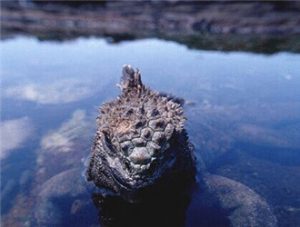
Marine Iguana
The only lizard that forages in the sea - Galapagos endemic, black and salt-crusted, drinking seawater and eating marine algae. A cold-water specialist, not a typical pet.

Spiny Turtle
The 'sun turtle' - a bizarre, spiky juvenile that sadly loses most of its spikes with age. CITES II and wild-imported specimens often arrive near death; a delicate, specialist turtle.

White-lipped Mud Turtle
A strikingly pretty mud-turtle relative - the 'mango-head' morph can flush yellow onto limbs and shell. Friendly and mid-priced, but it cannot brumate and must be kept heated year-round.