Search Results
242 results for “raw fish”

How to Feed Turtles in Winter
As cold-blooded animals, turtles digest poorly in the cold, so feeding must shift: feed mid-morning, cut frequency as temperatures drop, switch to easily digested pellets or vegetables, and clear the gut a week before hibernation.
What can a pet ferret eat?
Ferrets are carnivores; feed meat, vegetables, fruit. Best is raw meat (chicken, fish)—avoid processed meats. Some vegetables/fruit add nutrition: cauliflower, carrot, blueberry, apple, papaya. But don't overfeed fruit—high sugar harms health.
What can a dog with high blood lipids eat?
High blood lipids mean high cholesterol and triglycerides; adjust diet. Fiber-rich foods like oats and celery help lower cholesterol; low-fat fish like salmon and cod give omega-3 to lower lipids; antioxidant fruits like blueberries and strawberries protect the heart. Avoid high-fat, high-salt, high-cholesterol foods.
How to judge dog food quality?
Points: 1) ingredients—high-quality (chicken, fish, beef); fresh > frozen > meal > unspecified; meat among first listed. 2) nutrition—complete, balanced, suited to life stage/weight/health. 3) no bad additives (preservatives, artificial colors). 4) brand reputation—choose well-known, trusted brands.

What to Do When a Turtle Won’t Eat for Days
A turtle refusing food for days is usually environmental — new surroundings, low temperature, shallow water, or illness. Keep water 10–15 cm deep, hold 22–25°C, change water often, and tempt with shrimp or raw meat (never salty food); see a vet if it persists.
Will a Baby Turtle Starve If It Won’t Eat? How Long Can It Live?
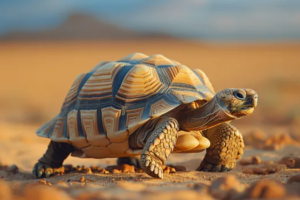
A new turtle that refuses food is often just shy or in poor conditions, not sick. Large, healthy turtles can go months (especially in hibernation); fix the temperature, water, and hiding spots, offer meat or shrimp, or use a companion to trigger feeding.
What Causes Arowana Head-Down Syndrome?
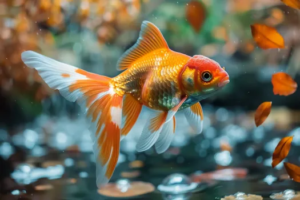
Arowana head-down syndrome means the tail is up and head down, or the head lower than the tail. It is a common disease, mostly in juvenile arowana. Our veterinarian details the causes and treatments.
Causes of Acquired Arowana Drop-Eye
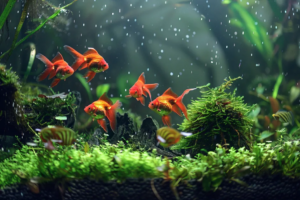
Factors causing acquired arowana drop-eye include feeding, water level, light, and the keeping environment. In general, acquired drop-eye results from incorrect keeping methods. Although drop-eye is not a disease and causes no harm, it seriously affects appearance. Our veterinarian details the causes, hoping keepers will take preventive measures.

How to Prevent Arowana Drop-Eye
To prevent arowana drop-eye, the most important thing is to control and balance the lighting so it stays even, feed the arowana with higher-buoyancy foods, and avoid having children or small pets playing and moving near the tank. In short, the key is to stop the fish from looking downward for prolonged periods, since chronic downward gaze easily leads to drop-eye. Below, our veterinarian explains in detail how to prevent it.

What Does Arowana Drop-Eye Mean?
Drop-eye is a normal physiological phenomenon in arowana, common in fish kept in aquariums, and silver arowana are even more prone to it. Drop-eye does not affect health but seriously impacts appearance and reduces ornamental value. Keepers should take preventive measures. Our veterinarian mainly introduces the causes of arowana drop-eye to help with prevention.