Search Results
105 results for “raw bones”
Free-roaming rural cat loved raw bones, vomited; after food change it won’t eat, gets thinner, nose pale, testicles shrank
The cat is thin from poor nutrition intake; the new food dislike may be smell, so try another brand. Past vomiting also suggests chronic gastritis, parasites, or chronic pancreatitis, so a vet check and regular deworming are advised. Pale nose, shrunk testicles, and low spirits may relate to malnutrition or age.
How to properly feed raw bones to a cat?
First, clean fresh raw meat and freeze it for three days at below −18°C to kill parasites, then thaw completely before feeding. For a first attempt, chicken breast is recommended. Let the cat finish the raw meat within half an hour; discard any leftovers. If you feed raw meat regularly, deworm the cat on a set schedule.
My dog stole and ate a lot of raw sashimi this morning, and it had many bones
Raw sashimi easily causes indigestion, and the many bones may scratch the esophagus or intestines. Watch for diarrhea or vomiting; give digestive aids, and if vomiting or other symptoms appear, get an X-ray at the vet.
What Happens If a Cat Eats Raw Chicken?
Raw chicken is rich in fat and protein and can supplement nutrition and improve appetite, but it may also carry parasites, bacteria, and viruses that threaten a cat's health and cause gastroenteritis, vomiting, and diarrhea.
What are the drawbacks of the Pomeranian?
Pomeranians bark a lot, get tear stains, shed heavily, have fragile bones, and can be temperamental. Their fine tear ducts and small frame add to the issues.
Is It Okay to Feed a Five-Month-Old Pit Bull Raw Chicken Carcass?
Raw chicken carcasses are not recommended: raw meat may carry bacteria, parasites, and molds, and the many small bones can cut the mouth, throat, or gut and cause impaction if undigested.
What are the drawbacks of teacup dogs?
First, a teacup dog's small body is easily injured and its bones are fragile, requiring the owner's special protection. Second, teacup dogs are extremely dependent on their owners and prone to separation anxiety, needing frequent companionship and comfort. In addition, teacup dogs have inherent genetic defects, a weaker constitution, and are prone to various hereditary diseases. Moreover, their lifespan is relatively short, generally under 10 years. In summary, although teacup dogs are cute and charming, they require the owner to give even more love and care.
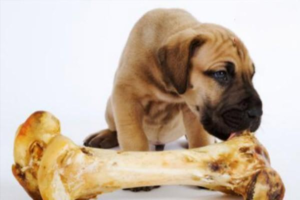
Should Dogs Eat Bones? How to Do It Safely
Vets often warn against bones because they are hard to digest and can block the gut, yet they also clean teeth, calm boredom, and add calcium. If you do give them, choose raw, large, non-hollow bones and avoid cooked poultry bones that splinter; cartilage, pressure-cooked bones, fish heads, necks, tails, frames, and pork fans are safer picks.
What happens if you feed a dog raw chicken heads?
Chicken heads are bony, low-meat, hard to digest, and may lodge in the throat or gut causing breathing trouble, gagging, appetite loss. Experienced dogs that spit bones may eat sparingly. Prefer chicken breast.
How to boil bones for a puppy?
Boil beef bones, pork leg bones, and chicken feet with equal water, skim the foam, then simmer 7 to 9 hours and discard the bones, serving the broth and meat. Make extra and blend the leftover meat into a paste with the broth to refrigerate. Never feed raw bones, as they can damage teeth and block intestines.