Search Results
662 results for “rat poison”

Why Human Cold Medicine Is Dangerous for Pets
Because cats and dogs metabolize drugs differently from people, they may not process ingredients like acetaminophen, pseudoephedrine, and caffeine, and even small amounts can poison them, sometimes fatally. Most over-the-counter human cold medicines are unsafe for pets. For mild cases when pet-specific medicine is unavailable, gentle herbal options exist, but vet care is best for serious symptoms.

How to Choose a Safe Dewormer for Dogs
When picking a dog dewormer, safety beats brand fame, price, or reviews. Weak off-brand products vary in purity, absorption, and residues, and can cause vomiting, diarrhea, lethargy, or skin redness. Judge a product by three things: gentle, compliant, pet-specific ingredients with low toxicity; a precise spectrum covering fleas, lice, mites, roundworm, hookworm, and heartworm prevention; and broad adaptability with very low side effects, including for puppies, adults, and pregnant or lactating dogs. Common active types include imidacloprid-moxidectin spot-ons, fluralaner (an isoxazoline) for long-acting tick and flea control, selamectin for sensitive dogs, and oral fenbendazole-pyrantel-praziquantel for broad internal coverage. Avoid three mistakes: over-frequent or stacked dosing, treating only after you see parasites, and buying unlabeled “no-name” products.

Common Misconceptions About Dog Deworming
Common deworming mistakes include focusing only on external parasites, not understanding the medication, using products too often, ignoring environmental cleaning, and choosing a drug that does not match the parasite. Parasites split into internal and external types with many species, so if your dog is infected, pick the right dewormer for that parasite and use the correct dose. Proper deworming protects both your dog and your family.

What Vegetables Can Guinea Pigs Eat?
Guinea pigs are easygoing eaters, and the right vegetables are a healthy part of their diet. Good choices include carrots, rich in vitamin A and beta-carotene for eyes and skin and low in calories; spinach, full of vitamin C, K, and folate for bones and heart, but only in small amounts because its oxalates can strain the kidneys; broccoli, with vitamin C, K, minerals, and compounds that may lower cancer risk; choy sum, a low-fat, high-fiber green that aids digestion; lettuce, low-calorie and hydrating; and tomatoes, packed with vitamin C, A, B, and the lycopene antioxidant. Keep portions modest: too many vegetables at once flood the gut with water and can cause diarrhea or soft stool. Serve only fresh produce and clear leftovers promptly so spoiled food does not trigger gut inflammation or mold poisoning, and vary the vegetables to balance nutrition with their regular feed.

What Foods Can Harm Your Hamster’s Health?
Not every food that is safe for people is safe for hamsters. Chocolate, caffeine, fatty or fried foods, sugary and salty items, and anything containing alcohol or artificial sweeteners can cause digestive trouble, obesity, poisoning, or even death. Certain fruits and vegetables, such as citrus, garlic, and onion, can also trigger poisoning or stomach irritation, while too much high-fat food may lead to obesity, liver disease, and heart problems. Hamsters need a balanced diet, and a single, repetitive food source can cause malnutrition. Learning which foods to avoid, and how to build a healthy daily menu, helps keep your small pet safe and thriving.
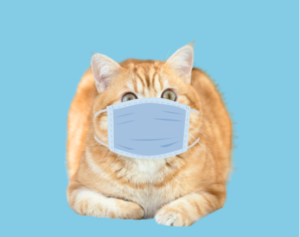
Smells Cats Hate Most (and Why They Matter)
A cat's nose is far sharper than ours, so scents we find fresh can be 'chemical weapons' to them. Most cats hate high-menthol products (white flower oil, cooling balms), citrus peels (limonene and linalool irritate their scent nerves and the plants are mildly toxic), and perfumes. They also reject other cats' smells—a stranger's scent can trigger defensive puffing and hissing. Alliums, camphor products, and vinegar round out the list, while secondhand smoke's 7,000-plus chemicals threaten a small cat's lungs far more than a human's. Keep these away from your cat.
100 Essential Tips Every New Cat Owner Should Know
Bringing home a first kitten is exciting but daunting, and poor care can hurt both of you. These 100 essentials cover diet (life-stage food, toxic grapes/chocolate/onion/garlic, no bones or raw meat, fresh water), daily care (brushing, nail and ear cleaning, litter hygiene, n+1 boxes), health (vaccines at 8–12 weeks, deworming, normal temperature 38–39.2°C, spay/neuter, no human meds), behavior (slow blinks, tail talk, no punishment), and home safety (screens, hiding wires, toxic plants, no smoke). Read them once and you'll share a calmer, healthier life with your cat.

Why Some Pet Skin Sprays Stop Working—and What to Look For
Many owners find a skin spray works at first, then fades—or the problem returns. The cause is often resistance: chemical antimicrobials can drive microbes to mutate, and sprays loaded with hormones or strong antibiotics can damage a delicate skin barrier and sicken a pet that licks them. A different approach uses nano-silver, which kills physically rather than chemically, lowering resistance risk. Here is what to know when choosing a skin spray.

Chinchilla Twitching: Causes and How to Respond
Occasional mild twitching or trembling in a chinchilla can be perfectly normal—chinchillas often flick their faces to sense air currents and check for danger. However, repeated or severe twitching may point to a nutritional imbalance, chronic stress, or an underlying illness. Calcium or vitamin B1 deficiency, loud or bright stressful environments, and conditions such as liver disease, diabetes, epilepsy, or poisoning can all trigger muscle spasms. Because twitching can be an early warning sign, owners should observe their pet closely and seek veterinary care if the behavior is frequent or comes with other symptoms. A balanced diet, a calm and comfortable habitat, and stable temperatures are the best preventive measures.

Can Cats Eat Seafood?
Cats can eat seafood, but only the right kinds and in strictly controlled amounts—otherwise you risk digestive upset or even poisoning. Not every seafood is safe: squid, octopus, shellfish, and sea crabs are best avoided. When feeding shrimp, remove the head, tail, shell, and vein first. Freshwater fish like salmon and cod are good choices, rich in quality protein and amino acids. Some cats are allergic to seafood, and heavy metals such as selenium and mercury in certain types can harm the nerves and liver, while shellfish may carry parasites or cause choking and blockage. Always watch the portion size, because a cat's digestion is delicate and any food in excess can backfire.