Search Results
306 results for “raising a dog”
How many types of Border Collies are there?
The 'Border Collie' refers to one breed, the Border Collie, with no other kinds - but it comes in many colors: the common black-and-white and brown-and-white, plus red-and-white, golden, blue-merle, red-merle, tricolor short-hair and black-and-white short-hair. Ranked No.1 in intelligence, it is gentle and affectionate with endless patience for children, making a great family dog. Train it early to teach skills and make life easier.
How intelligent is a Golden Retriever?
An adult Golden Retriever's intelligence equals that of a 6-7 year old child, ranking 4th among dog breeds worldwide. Smart, friendly, and loyal, they make great companions and working dogs like guide and detection dogs.
How Much Does an Adult Border Collie Weigh?
By standard, an adult male Border Collie weighs about 20 kg and stands about 50 cm; females are lighter at about 15 kg and 45 cm. Diet and care vary, so individuals differ, but as long as they stay within these ranges the body size is considered standard.

What Are the Benefits of Owning a Pet
Pets ease loneliness, add routine and exercise, lower stress, help you socialize, spark new hobbies, and boost your sense of security. A loyal companion builds a positive, optimistic outlook — but weigh the downsides before committing.

The Downsides of Owning a Pet
Pet ownership brings costs, time, shedding, odor, zoonotic-disease risk, bites, noise, lost sleep, and the pain of saying goodbye (dogs live 10-15 years, cats 12-18). Think it through before you commit — and once you do, take responsibility for life.
Hair Loss and Excessive Urination? Symptoms of Hormonal Imbalance in Cats
Feline hormonal (endocrine) imbalance is not one disease but a sign of disorders such as hyperthyroidism, diabetes, Cushing's syndrome, or hypothyroidism. Hyperthyroidism brings ravenous appetite with weight loss, thirst, and overactivity; diabetes causes the 'three polys plus weight loss' and weak hind legs; hypothyroidism shows as lethargy, weight gain, and a dry, thinning coat. See a vet for blood and urine tests if you notice these signs.

Choosing a CoQ10 Supplement for Your Pet’s Heart
Pets past about seven years old decline fast, and heart disease is among the highest-risk threats: mitral valve disease and dilated cardiomyopathy in dogs, hypertrophic cardiomyopathy in cats. Early signs—night coughing, panting, purple tongue, exercise intolerance—often mean Stage B2 or C, so the B1–B2 window is the time to act. Alongside prescribed medication, many veterinarians suggest a pet CoQ10 supplement for energy and antioxidant protection. But with crowded shelves, how do you choose? This guide explains what a quality formula should deliver: transparent, well-absorbed dosage; a heart–lung–vessel support blend (rhodiola, krill, astaxanthin, taurine, vitamins, grape powder, folate); palatability and safety for long-term use; and which pets benefit most.
Bear-Type vs. Wolf-Type Samoyed: What’s the Difference?
Samoyeds come in two popular looks: the bear-type (often called the "Australian line") and the wolf-type (the "Russian/Siberian line"). Bear-type dogs are stocky and round, standing about 53-58 cm at the shoulder and weighing 25-30 kg, with a broad, short muzzle and an extremely fluffy double coat. Wolf-type dogs are leaner and more athletic, roughly 3-5 kg lighter, with a longer, narrower muzzle, almond eyes set close together, and a sleeker, coarser coat. Temperament differences are minor and mostly shaped by socialization rather than bloodline. The most important factor when choosing a pet is matching the dog's needs to your lifestyle, not which "version" you prefer.
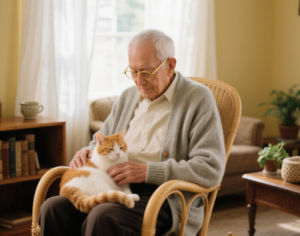
Why Are Cats Raised by Elderly Owners So Calm and Obedient?
Cats kept by elderly owners often seem gentler and more obedient than the lively pets raised by younger people, and the reason is rooted in pet behavior science. Cats love calm, predictable routines, and an older person's slow, regular daily rhythm gives them a sense of safety that lowers their guard. Seniors also provide the 'effective companionship' cats value most—short, low-intensity interactions like petting and soft talk scattered through the day—rather than infrequent marathon play sessions. On top of that, elderly owners tend to be gentle yet consistent: they neither shout nor overindulge, setting clear rules while offering unconditional acceptance. This calm, secure environment lets a cat relax and show its sweetest side.

Chinese White Rabbit
The Chinese White Rabbit is China's oldest domestic rabbit — small, compact, and remarkably hardy, with red eyes only in the white form. A meat-type landrace that also makes a tough pet, it needs a wire-free cage, a ball-valve bottle, and a simple diet of pellets, alfalfa, timothy, and boiled water. Watch for coccidiosis.