Search Results
306 results for “raising a dog”

Why Are Hamsters Easy to Keep?
Beginners pick hamsters because they are low-effort: they feed and drink themselves (no sitting, once or twice a day is enough, so trips away are fine), bathe in sand you provide, raise their own litters, need no walks, use a litter box (clean every 2–3 days), and take little space. Not effortless, though — still give them care.

Several Situations That Cause Pet Pancreatitis
Pancreatitis is not common, but its frequency is rising, and it harms pets severely — pain, dehydration, organ damage, even death. Why do pets get it? Here is a detailed analysis.
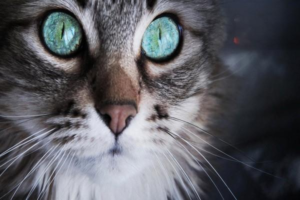
Symptoms of Heart Disease in Cats
A US study found 16% of seemingly healthy cats hide heart disease. Key warning signs: mouth-open breathing, strong chest/belly movement, sudden hind-leg paralysis from arterial clot, and fainting. Act fast at any of these.

Hypoglycemia in Puppies and Kittens: Why Owners Should Take It Seriously
Hypoglycemia isn't usually severe in adult pets, but in young puppies and kittens it can be life-threatening. It sets in fast when they go too long without food, causing weakness, tremors, collapse, and even death if untreated. Watch for thinness, vomiting, or coughing, and get care early.

Common Body Diseases of Corgis
Corgi's short legs became a cute label, drawing many owners. But those traits also carry disease risk. Here are the body defects.

Does a Cat Need Walking?
Walking cats is uncommon - dog walking is far more usual - because cats barely need socializing. But some now walk cats, and stress cases happen. Here we discuss it.
Signs of Heat in Cats and How to Care for Them
Cats first come into heat at 6 to 12 months. Females raise their tails, get clingy, roll, and yowl at night; males spray and scratch doors. Keep them in, play more, and spay or neuter afterward to protect health.

Feline Sunstroke: Causes and Treatment
Feline sunstroke is a form of heatstroke caused by prolonged, intense sun exposure that overwhelms the body's ability to shed heat. Signs include high temperature, rapid breathing, lethargy, unsteady stance, and in severe cases agitation and neurological signs that can end in death. At the first sign, move the cat out of the heat and cool it down; for serious cases, seek veterinary care because complications can cause permanent harm.
What happens if a Schnauzer isn’t groomed?
Long untrimmed Schnauzer fur drags, mats, looks messy, blocks vision, traps dirt and parasites raising infection risk, lets waste stick near the anus, and long paw fur causes slips and poor cooling.
What happens if a Teddy (Poodle) eats pig liver?
Occasional pig liver supplements vitamin A, protein, minerals—beneficial. But it's fatty; long-term large amounts cause obesity, raising diabetes/heart/pancreas risks. Liver is a detox organ that may hold heavy metals/toxins—long-term risk. Raw liver may carry parasites/bacteria causing gut upset, diarrhea, vomiting.