Search Results
467 results for “rabbit”

Why Does a Rabbit’s Nose Twitch Constantly?
Many owners see a rabbit's nose twitch non-stop and wonder why. Causes vary — nervousness or heat often trigger it. This article analyzes the reasons behind constant nose twitching.

Care Before and After Plucking a Long-Haired Rabbit’s Fur
Before plucking, comb the fur to prevent matting. After, strengthen feeding with digestible, nutritious feed and add some vitamins. This article covers more tips and cautions for plucking long-haired rabbits.

How to Set Up a Rabbit Hutch
Rabbits live in cages long term, so a comfortable hutch is essential, and place it away from damp, dark spots. This article details the items and cautions for setting up a rabbit hutch.
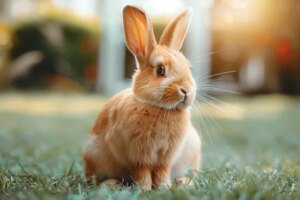
How to Improve a Young Rabbit’s Constitution
For a strong young rabbit, manage its diet strictly and feed sensibly for balanced nutrition. Also keep its environment suitable and give moderate exercise to boost resistance. This article shares tips to improve a young rabbit's health.

How to Choose the Best Bedding for Rabbits
Rabbit urine is very smelly; bedding in the cage absorbs urine, keeps the rabbit from prolonged contact with it, and reduces odor. But rabbits may eat bedding, so choose safe, dust-free, deodorizing material. This article compares common rabbit beddings.

Rabbit Mastitis: Causes, Signs, and Treatment
Rabbit mastitis, common about a week after kindling, blocks kits from nursing and can kill the doe through tissue death or sepsis. It stems from dirty housing, cage splinters, oversupply from too much concentrate, or bitten teats. Prevent with managed feed and smooth clean cages; treat early with cold packs and ichthammol, later with hot packs and penicillin plus mequindox and dexamethasone, and surgery for abscesses. A sick doe can pass yellow-urine disease to kits, so treat both.
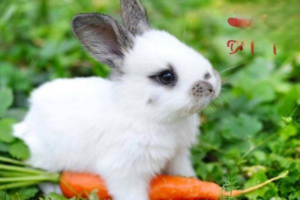
How to Improve Rex Rabbit Pelt Quality
Rex rabbit pelt quality depends on breeding, early growth, and feeding. Use cross-line breeding with strong lines, push weight gain before 3.5 months then limit it, feed complete pellets with additives, keep the hutch near 25°C and 55 to 65% humidity, and slaughter at about 5 months and 2.5 to 3 kg.

When Can Rabbits Breed and Become Pregnant?
Rabbits reach sexual maturity at 3.5–4.5 months but should not be bred that early, or their own development and the litter suffer. Wait until the rabbit weighs 70–75% of its breed's adult weight — about 4–8 months depending on size — and breed in spring for the best conception and litter size.

Signs and Cycle of a Female Rabbit in Heat
A female rabbit comes into heat at 3.5–4 months, showing restlessness, mounting and a vulva that changes from pale to bright red at peak fertility. She ovulates only after mating, and the best time to breed is mid-estrus when the vulva is deep red.

Best Seasons for Rabbit Breeding
Rabbits can breed year-round, but temperature drives estrus, conception and litter size. Spring is ideal (80%+ estrus, 7–8 kits); autumn is good with extra nutrition; summer and winter need shade, cooling, warmth and added greens to succeed.