Search Results
147 results for “rabbit winter”

How to Treat Pododermatitis (Sore Hocks) in Rabbits
Sore hocks in rabbits are often caused by wire cage floors and poor hygiene, leading to foot inflammation and ulcers. This guide covers the causes, symptoms, and several home and veterinary treatment methods, plus prevention.

Breeding Rabbits: Reproductive Period and Best Use Years
Quality breeding stock lifts litter rates and kit health. Rabbits breed 4–5 years but peak at 1–2; manage housing (raised, dry, clean), season care, and disease prevention (vaccines, coccidiosis meds, regular disinfection) to get the most from them.

Are Rabbits Sensitive to Cold or Heat? Their Ideal Environment
Rabbits dislike both cold and heat: warm them in winter and cool them in summer. This guide explains their cold and heat tolerance and the ideal temperature, humidity, ventilation, and light for a healthy home.
What is it like keeping a white rabbit?
White rabbits are cute, gentle, and easy to keep, fed mainly hay and pellets. Avoid too much watery produce to prevent enteritis, and mind temperature changes.

Rabbit Cold Symptoms and What to Do
Like other animals, rabbits can catch a chill from temperature changes or bacterial infection and rarely recover on their own. Here are the symptoms of a rabbit cold and how to help.
What Do Wild Rabbits Eat?
Wild rabbits are omnivorous with a wide diet, mainly weeds, leaves, and other plants. In winter they eat roots, bark, twigs, lichens, and leftover crops. Captive feed sources are broad - grass, vegetables, straw.
What is rabbit bloat?
Rabbit bloat comes from overeating, sudden weather change, poor diet, antibiotic misuse, or food changes, causing food buildup and stress-related gas—especially at season turns. Toxic or contaminated feed can also cause it; withhold food until digestion completes.
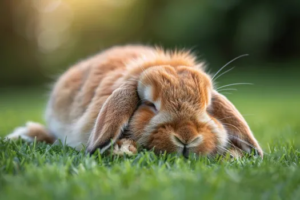
Why Does My Rabbit Have Cold Ears and No Appetite?
Cold ears in a rabbit usually mean its body temperature has dropped and it feels chilly — warm it up with a blanket and keep its environment at 18–24°C. If the ears are cold together with loss of appetite, an illness such as rabbit hemorrhagic disease, a cold or a serious condition may be lowering its temperature; watch for lethargy, sneezing, discharge or diarrhea and see a vet promptly.
How long should a small rabbit be in the sun?
Give a rabbit about half an hour of sun daily in soft light to avoid heatstroke. Shorten it in hot summer and choose morning or evening; in weak winter light, extend it a bit.

How to Prevent Heatstroke in Pet Rabbits During Summer
Rabbits sweat poorly and overheat easily, so summer heatstroke can be fatal. Prevent it with shade (black mesh, awnings, whitewashed walls), ventilation, lower stocking density (~10 rabbits per m²), sprinkling water, ample cool drinking water with 1% salt or vitamin C, and cooling foods like watermelon rind and cucumber, plus electrolyte-glucose supplements.