Search Results
21 results for “rabbit twitching”

Symptoms and Prevention of Gastroenteritis in Rabbits
Rabbit gastroenteritis starts with poor appetite and mucus in the stool, then anorexia, watery foul diarrhea, and in late stages dehydration, toxin buildup, and even death. Treatment focuses on clearing the gut, rehydrating, and antibiotics; prevention is timed portions, fresh food, and a clean environment. This article details it.

Common Diseases That Affect Rabbits
Rabbits are fragile and prone to a few serious diseases: rabbit viral hemorrhagic disease (near-100% fatal, often sudden death), pasteurellosis (fever, runny nose), coccidiosis (gut/liver parasite, high death rate), and colibacillosis (E. coli, fatal diarrhea). This article summarizes each and urges early care.
Why does my rabbit twitch repeatedly?
Rabbit twitching can be overeating, a chill, or disease like pain, hypoglycemia or coccidiosis. Identify the cause and see a vet.

Why Does a Rabbit’s Nose Twitch Constantly?
Many owners see a rabbit's nose twitch non-stop and wonder why. Causes vary — nervousness or heat often trigger it. This article analyzes the reasons behind constant nose twitching.
Limbs twitching, cannot stand, rolling around.
A newly bought rabbit with whole-body twitching may have rabbit hemorrhagic disease, whose peracute form kills quickly with paddling; vaccination prevents it. Hypoglycemic shock from illness also causes limpness and needs emergency glucose and a vet.

Why Does My Rabbit’s Nose Twitch Constantly?
A rabbit's nose may twitch frequently for many reasons—sniffing, breathing trouble, anxiety, or bacterial and parasite infections, even a nose injury. When the rabbit is calm or asleep, the twitching usually slows or stops. To protect your pet, provide a suitable environment, balanced diet, controlled temperature and humidity, and regular cleaning and disinfection to limit infection. If the twitching persists with a runny nose, injury, appetite loss, or lethargy, consult a veterinarian for a proper diagnosis and treatment plan.
Understanding a Rabbit’s Physical Traits
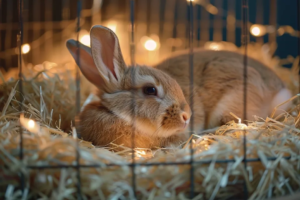
Rabbits are built for alertness and quick escape. Their freely rotating ears carry dense blood vessels that release heat and give keen hearing, while eyes set on the sides of the head give a near 300-degree view, though daytime sight is weak. A constantly twitching nose reads scent, whiskers map nearby objects, and 28 ever-growing teeth demand constant chewing. Strong hind legs power leaps, a fragile skeleton needs careful handling, and body size ranges from under 2 kg to 8 kg across small, medium and large types.
Symptoms of Escherichia coli Infection in Pets
Colibacillosis is a bacterial zoonosis caused by E. coli, bacteria living inside and outside the gut. Here are the signs across species.

Feeding Kits Scientifically to Prevent Low Blood Sugar
Adult rabbits rarely go into low blood sugar or shock, but kits are most at risk because they need more nutrition. If a kit already shows symptoms, a vet trip is often too late - owners must give first aid. Here are the measures.

Common Causes, Symptoms and Treatment of Pet Colds
Pets catch colds easily — usually from chills (season changes, baths, drafts, rain, cold floors) or low resistance. A plain cold can worsen into something serious, so treat it early. Never give human cold medicine (acetaminophen is toxic to dogs and cats); use pet-specific drugs. Learn the warning signs that separate a cold from pneumonia, rhinitis, feline herpesvirus (cat flu) or distemper.
- « Previous
- 1
- 2
- 3
- Next »