Search Results
27 results for “rabbit teeth grinding”

Common Urinary Tract Diseases in Rabbits
Rabbits often face urinary infections, urethral stones, and bladder stones, mostly from bacteria, low water intake, or too much calcium, while unspayed females are prone to uterine cancer. Infections show as incontinence and leaking; stones cause painful urination, blood, curling, teeth grinding, and can fully block the urethra. Bladder stones need fluid flushes and repair; urethral stones require surgery; uterine cancer needs tumor removal plus medication. Lower the risk by spaying early, keeping the habitat clean, ensuring ample water, and balancing the diet to avoid excess calcium.

Dutch Rabbit
The Dutch Rabbit is a small, distinctly marked pet rabbit with a white inverted-V on the face and a sharp color split between front and back. Gentle, smart, and nearly odorless, it needs timothy hay, a chew stick, steady 25–32°C, and a wire-free, dry cage. Lifespan about 5–7 years.

Symptoms of Escherichia coli Infection in Pets
Colibacillosis is a bacterial zoonosis caused by E. coli, bacteria living inside and outside the gut. Here are the signs across species.

How to Tell If Your Cat Has Tartar
When you see yellow teeth, beware—think how long since you cleaned them. Tartar develops gradually; yellow teeth, if untreated, become tartar. Today we help you identify cat tartar.

Self Red Guinea Pig
The Self Red Guinea Pig's greatest feature is its beautiful, dense red coat. Gentle, well-behaved, and affectionate, it is easy to keep and its small size takes little space, remaining a common family pet. Its ancestors came from the Andes of South America and were brought west by European merchants in the 16th century.
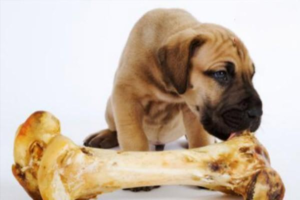
Should Dogs Eat Bones? How to Do It Safely
Vets often warn against bones because they are hard to digest and can block the gut, yet they also clean teeth, calm boredom, and add calcium. If you do give them, choose raw, large, non-hollow bones and avoid cooked poultry bones that splinter; cartilage, pressure-cooked bones, fish heads, necks, tails, frames, and pork fans are safer picks.

What to Do When a Budgerigar Bites, and How to Correct It
A budgerigar rarely bites without reason; biting usually means fear, a self-defense reaction. Once you know why, correcting it is straightforward.
- « Previous
- 1
- 2
- 3