Search Results
35 results for “rabbit sounds”

Symptoms and Prevention of Gastroenteritis in Rabbits
Rabbit gastroenteritis starts with poor appetite and mucus in the stool, then anorexia, watery foul diarrhea, and in late stages dehydration, toxin buildup, and even death. Treatment focuses on clearing the gut, rehydrating, and antibiotics; prevention is timed portions, fresh food, and a clean environment. This article details it.
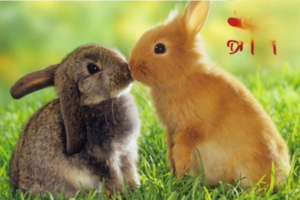
Why Does My Rabbit Make a Puffing Sound from Its Nose?
Why does a rabbit make a puffing sound from its nose? A puffing noise from a rabbit's nose means it is sneezing, and there are many reasons a rabbit sneezes, such as a cold or dusty air. Let's look at the possible causes of rabbit sneezing with our pet care specialists.

Rabbit Bronchitis: Causes, Diagnosis, and Treatment
Rabbit bronchitis, common in old and weak rabbits, brings cough, nasal discharge, and chest rales from cold, dust, mold spores, or irritant gases. Acute cases shift from dry to wet cough with breathing trouble; chronic ones cough after exercise or in cold air. Treat with antibiotics, cough suppressants or expectorants, and herbal tablets.

Do Rabbits Get Angry? Signs and Causes
Rabbits do get angry - they growl, honk, and thump, or give the silent treatment by ignoring you. Common triggers are hunger, lack of attention, and a proud streak. Comfort with a head rub or treat, or let a stubborn one cool off alone.
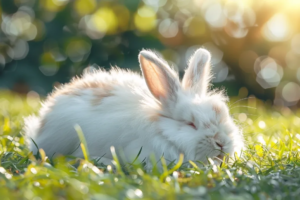
What Affects a Rabbit’s Lifespan?
A rabbit's life is shaped by its own traits, diet, and environment. Feed hay-based balanced food (not just vegetables or sweets), keep the cage clean, dry, and quiet between 15–25°C, house it indoors, avoid over-bathing and neglect, and don't breed females repeatedly — all of which shorten life.
What happens when a female rabbit is in heat?
A female in heat shows poor appetite, irritability, excitement, jumping in the cage, and unusual sounds. First heat is at 3 to 4 months with an 8 to 15 day cycle; breed at 5 months or spay to prevent reproductive cancer and extend life.

How to Help a Rabbit Adjust to a New Home
Rabbits are sensitive, so moving to a new home can make them tense and unsettled. Before the move, prepare a warm, safe enclosure and place the rabbit's own toys, blanket, bedding, and water bowl there so it recognizes familiar scents. Once home, let the rabbit settle in with minimal noise and disturbance, then gradually introduce new people, sounds, and smells, starting with family members and widening the circle. Keep feeding and routines consistent, since stable daily life builds a sense of safety and trust. Patience, not speed, is what helps a rabbit feel at home.
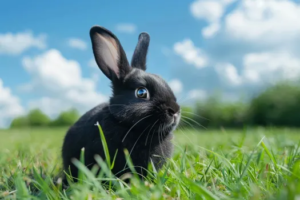
How to Tell If Your Rabbit Has Bonded With You
Rabbits may seem shy, but a bonded rabbit shows clear signs of attachment to its owner. Once a rabbit recognizes you as its trusted caretaker, it will actively approach you, nuzzle your hands or feet, lick your palm, lean into your touch, and follow you from room to room. It will relax under petting instead of fleeing, and may even learn to signal you with body language or soft sounds. Building this bond takes time and consistency. Offering food by hand, keeping a clean and comfortable enclosure, allowing supervised out-of-cage time, and simply spending calm, patient hours nearby all help a rabbit feel safe. With steady, gentle care, most rabbits move from fearful and withdrawn to openly affectionate, and you will feel the change in how they respond to you.

Can You Take a Rabbit for a Walk?
Rabbits can go for walks, and occasional outings benefit them: exercise builds strength and stamina, time outdoors eases stress and anxiety, and walking stimulates gut movement to improve appetite and digestion. Outings may even support a longer, healthier life. Keep it safe, though—choose a quiet area away from traffic and hazards, acclimate the rabbit gradually, avoid extreme heat or cold, and watch for signs of distress. Outdoor rabbits should also be dewormed regularly. Indoor rabbits generally do not need walks, but outdoor rabbits can enjoy moderate, supervised time outside.

What to Do If Your Pet Rabbit Is Constipated
Constipation is common in pet rabbits and, when severe, leads to refusal to eat and listlessness, so it needs prompt attention. Causes include unbalanced feed with too little water, foreign material in the diet, lack of exercise, or secondary disease such as anal inflammation or gut atony. Signs are dropping appetite, weak gut sounds, small hard droppings, then no stool at all, sometimes with bloating. Treatment clears the gut with short fasting, water, abdominal massage, and, if needed, a sodium bicarbonate enema; prevention centers on greens, water, exercise, and a fixed feeding schedule.
- « Previous
- 1
- 2
- 3
- 4
- Next »