Search Results
10 results for “rabbit productivity”
Why Should You House Rabbit Kits Separately from the Doe?
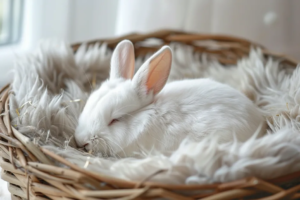
Separating rabbit kits from the doe after birth — nursing her in twice daily — protects the mother's recovery and lets her breed again within a month, stops the kits from competing for adult feed (which damages their immature guts), and sharply cuts coccidiosis and other kit diseases. After separation, watch the kits' growth (red ears = well-fed) and guard against escapes and predators.

Productive Lifespan of Breeding Rabbits
A breeding rabbit's best years are the first one to two, with productivity then falling 15 to 20 percent a year, so renew stock every 2 to 3 years. Give breeders a clean, dry, well-ventilated hutch, breed in spring and autumn, cool them in summer, and keep them warm below 5°C.
False Pregnancy in Doe Rabbits
A false pregnancy makes a doe show nesting and swollen mammary signs without any kits, usually lasting 6–8 days and lowering your breeding herd's productivity. It is caused by an infertile or over-stimulating buck, uterine or vaginal inflammation, or the doe's own progesterone after ovulation. Good management, repeat or double mating, pre-mating checks, and timely re-mating keep it under control.
How to Raise Meat Rabbits Well
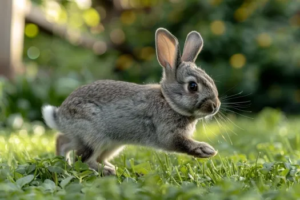
Raising meat rabbits well means timing breeding to the seasons (spring best, summer cooling, autumn nutrition during molt, winter warmth), mixing concentrate, roughage, and green feed or using complete pellets, and choosing fast-growing, disease-resistant breeds such as Belgian, New Zealand, or Chinese White rabbits.
Characteristics of Pododermatitis Onset in Rex Rabbits
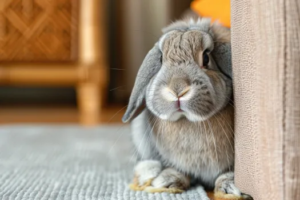
Rex rabbit pododermatitis is a relatively common disease in rabbits and causes significant harm. Although it does not cause immediate death, it can cause great economic losses to rabbit farms. After rex rabbits develop pododermatitis, their appetite decreases and their body gradually becomes emaciated. The disease affects the breeding value of breeding rabbits and the fur quality of commercial rabbits, causing serious economic losses. Today we introduce the onset characteristics of rabbit pododermatitis.
Breeding Taboos for Rabbits
Good breeding is key to profitable rabbit farming, yet some owners breed does back-to-back regardless of health, leading to many kits but poor survival. Avoid close inbreeding, mating too early, over-mating, summer breeding, early or late weaning, mixed-group housing, and poor management to keep reproduction rates and kit health high.

Measures to Boost Rabbit Litter Yield in Autumn
Autumn is the peak breeding season for rabbits, but it is also their molt, so extra nutrition is essential to keep breeding stock in condition. Feed bucks and does differently, choose strong genetics, and manage mating and pregnancy carefully to raise litter size.

Black Rabbit Breeds
Black rabbits do exist—most commonly the China Black Rabbit and the black New Zealand Rabbit. Both are established breeds valued for stable genetics, fast growth, and rich, nutritious meat.

How to Raise Meat Rabbits Efficiently
Efficient meat-rabbit farming comes down to five things: choose high-quality breeding stock, manage them well to reach their full production potential, improve feed conversion to cut costs, keep the rabbitry disease-free, and adjust your scale to market demand. Strong breeding selection and good husbandry are the biggest levers on profit.

Essential Tips for Raising Healthy Rabbits
Rabbits are sensitive to their environment, and getting temperature, humidity, feed variety, and nighttime feeding right is essential to keeping them healthy. Their thick coat and weak sweat glands make it hard to release heat, so rabbits tolerate cold better than heat; a stuffy, humid hutch quickly leads to illness. Aim for about 20-27C, keep bedding dry, offer a varied diet instead of a single feed, and provide plenty of hay at night when rabbits are most active. These basics help prevent disease and support steady growth.