Search Results
235 results for “rabbit pellets”

Infectious Rhinitis in Rabbits
Infectious rhinitis is a chronic rabbit disease triggered by allergens or viruses (often Pasteurella and Bordetella bacteria), and frequent sneezing is its hallmark sign. Allergen-driven cases clear once the trigger is removed, while viral cases need medication — and the sooner treatment starts, the better.
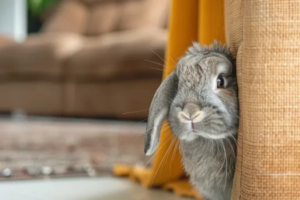
Essential Tips for Raising a Rabbit
Raising a rabbit is easy, but raising one well takes commitment. The essentials: always provide clean (never tap) water, make hay the staple with age-appropriate pellets and veggies as supplements, allow daily exercise and litter training, keep the habitat clean, rabbit-proof hazards, and skip frequent baths. A balanced diet and clean home are the foundation of rabbit health.
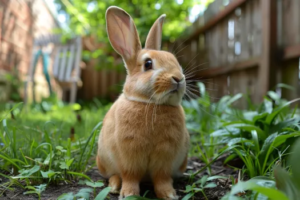
What Do Pet Rabbits Eat, and What Equipment Do You Need?
Rabbits eat mainly rabbit pellets, alfalfa, and timothy hay, and must always have water. You'll need a cage, ball-tip bottle, food bowl, hay rack, and litter box, plus pads, deodorizer, and chew toys. This article gives a simple guide to rabbit care.

Key Techniques for Raising Rabbits
Whether for meat, wool, or as a pet, rabbits need scientific care: a fiber-rich diet in small frequent meals, clean non-tap drinking water, a steady 20°C environment, and strict hygiene with 12–15 hours of light. Master these to keep rabbits healthy.
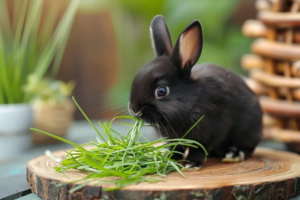
Chinese White Rabbit: Traits and Care Tips
The Chinese white rabbit is an ancient, hardy, disease-resistant breed—small, compact, early-maturing, and prolific. Feed kits a stable diet of quality junior pellets and alfalfa (no veggies/fruit), with constant clean water, to raise them well.

Do Lop Rabbits Smell? How to Handle a Smelly Rabbit
Lop rabbits are clean, burrow-loving animals that groom themselves and have light-scattering droppings, so they rarely smell. This guide explains why a rabbit may smell—litter habits and scent glands—and how to fix it with training, diet, bathing, and hygiene.

What to Know About Keeping a Rabbit
Rabbits are gentle but need care: a quiet home and clean cage, proper diet (pellets, hay, rinsed produce), chew toys, exercise, correct holding, and rare baths.
I just bought a rabbit; its steel-ball bottle leaks and can’t be used, so now I give water in a small plastic bowl, and the stool looks very wet. Is that a problem?
Soft stool can come from diet, chill, poor hygiene, or lacking good bacteria; cut fruit/veg, raise pellets and timothy, keep warm and clean. It may also be coccidia infection needing deworming.
What happens if a baby rabbit eats fruit?
Rabbits can eat a little fruit but avoid very watery ones like watermelon that cause enteritis, and remove pits from apples or pears as they contain cyanide. Baby rabbits need hay and pellets as the main diet.
My baby rabbit this morning kept twitching for no reason, then its mouth kept opening and closing while its limbs didn’t move—what’s wrong?
Twitching can signal heatstroke, low blood sugar, epilepsy, or brainstem oxygen lack; an opening/closing mouth is labored breathing. Move it to a ventilated, quiet, comfortable spot, give glucose water, and provide hay, pellets, and clean water. Watch 1–2 days; if no relief or it recurs, see a vet.