Search Results
235 results for “rabbit pellets”

The Necessity of Feeding Hay to Rabbits
Eating hay is necessary for rabbits. Even if the rabbit food the owner usually feeds is good, hay must still be provided. Many people wonder why hay is so important to rabbits. Below we tell you about the necessity of rabbits eating hay. Why must pet rabbits eat hay?

Warning: These Foods Are Toxic to Rabbits!
Frozen, fried, and cooked foods cannot be given to rabbits. A rabbit's diet should be mainly hay and rabbit pellets, supplemented with some fruits and vegetables. There are many foods that rabbits cannot eat, and eating them may cause a series of diseases. Today we tell you about the foods that cannot be fed to rabbits, hoping to help you ensure your rabbit's dietary safety.
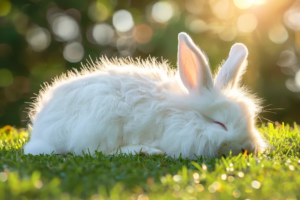
Caring for a Rabbit With Foot Dermatitis
Beyond medication, rabbit sore hocks need cage fixes (smooth floor, dry and clean), adjunct anti-inflammatories, balanced vitamins, daily exercise, and the owner's patience for a stubborn, long-term condition.
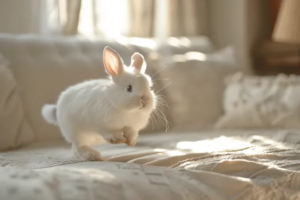
How to Prevent and Treat Rabbit ‘Big Belly’ Disease
Rabbit big-belly disease strikes weanling kits and can kill in 2–3 days, driven by moldy feed or poor nutrition. Prevention is clean feed and a correct formula; treatment ranges from grass-and-exercise to metoclopramide and antibiotics.
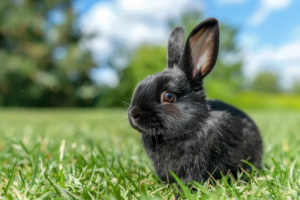
Why Is Your Rabbit’s Belly Bloated?
A bloated rabbit belly usually means overeating or gas. Causes include hard-to-digest food, low fiber, too much alfalfa, or toxic feed. Relief: portion control, exercise, belly massage, and celery or honey.

Rabbit ‘Big Belly’ Disease (Enteritis/Bloat): Causes & Care
Rabbit 'big belly' disease is a fast, often fatal gut illness from mixed E. coli/coccidia infection, viral diarrhea, or low fiber. This guide covers its signs, prevention (clean feed, grass), and treatment (fasting, gentamicin, probiotics).

Rabbit Bloat and Food Accumulation: Signs & Relief
Rabbit bloat from food accumulation shows as a growing belly, refusal to eat, and gurgling sounds. Relief: stop pellets, offer timothy hay, massage the belly, give celery, and watch for mucus that signals enteritis.
Causes and Symptoms of Constipation in Rabbits
Rabbit constipation shows as reduced appetite, hard dry droppings, a swollen tender belly, and stopped defecation. Causes include poor diet, low water, little exercise, and anal disease; treatment is food withdrawal, water, enema, and oils.

What to Do About Rabbit Constipation
Rabbit constipation often comes from dry food, low water, or too little fiber and exercise. Relieve it with diet changes, probiotics, outdoor exercise, and hairball remedies to keep the gut moving.

What to Do When Your Rabbit Loses Its Appetite
A rabbit that stops eating is a warning sign. This article explains common causes of poor rabbit appetite—spoiled food, gut issues, nutritional gaps—and how probiotics, diet changes, and vet checks can restore it.