Search Results
235 results for “rabbit pellets”
What to Watch When Raising a Lop-Eared Rabbit
Lop-eared rabbits are small, gentle, and popular, but new owners must heed five points or the rabbit may fall ill: age-based diet (alfalfa for pups, timothy for adults), a ventilated dry home (no outdoor in summer, a floor board in dog cages to avoid sore hocks), daily cleaning of urine, no baths (keep ears dry), and never lift by the ears grip the belly and rump instead.
Key Management for Raising Baby Rabbits
A baby rabbit is usually one from weaning to three months, the hardest age to keep and the time with the highest death rate. Here are the key management tasks to raise survival.
Why Is My Rabbit Suddenly Limp All Over?
A limp rabbit may be from calcium deficiency, low blood sugar, low energy intake, or cold/hard-to-digest food. Tell normal rest (jumps up when called) from pathology (slow, won't move or eat). Hypoglycemia needs warming and syringe-fed glucose water, then a vet. Feed on schedule with hay and pellets, and see a vet for persistent limpness or dry stool.

Common Pet Rabbit Breeds and How to Care for Them
Rabbits are cute and quiet, and many people love them. But which breed makes the best pet? Here are common pet rabbit breeds and how to care for them.
What Does a Rabbit’s Sudden ‘Airplane Ear’ Mean?
A rabbit's 'airplane ear' (one ear flopping up) can mean an impure lop bloodline, ear mites or inflammation, an ear strain from being lifted by the ears, or a calcium/trace-element deficiency. If there is no redness or pain, improve the diet; if there is, get a vet exam and treat mites or infection accordingly.
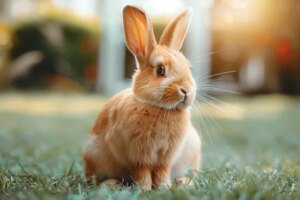
How to Improve a Young Rabbit’s Constitution
For a strong young rabbit, manage its diet strictly and feed sensibly for balanced nutrition. Also keep its environment suitable and give moderate exercise to boost resistance. This article shares tips to improve a young rabbit's health.
How to Improve Rex Rabbit Pelt Quality
Rex rabbit pelt quality depends on breeding, early growth, and feeding. Use cross-line breeding with strong lines, push weight gain before 3.5 months then limit it, feed complete pellets with additives, keep the hutch near 25°C and 55 to 65% humidity, and slaughter at about 5 months and 2.5 to 3 kg.

Lop Rabbit Care Essentials
Lop rabbits make popular pets but need correct care. Buy a 2 to 3 month healthy one, feed pellets and hay as staples with small vegetable and fruit treats (none under 6 months), never meat or spicy food, and keep cats away to avoid toxoplasmosis. Litter-train early, walk at dusk on safe ground, keep 18 to 25°C, and groom, bathe monthly, and trim nails.
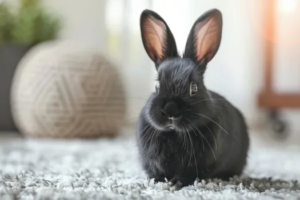
Rabbit Constipation: Causes and How to Prevent It
Rabbit constipation, common in young and old rabbits, comes from dry hardened gut contents due to poor feeding, too much concentrate, low water, or too little exercise, and can block the gut. Signs are poor appetite, hard small stools, then no stool with a painful belly and palpable hard masses. Prevent with balanced feed and water plus exercise; treat early with greens and, for severe cases, sodium sulfate or salt laxatives.

How to Improve the Survival Rate of Young Rabbits
Weaned rabbits under three months old have the lowest survival rate of any age group, with more than half of deaths caused by digestive disorders. Boost survival by minimizing stress during the transition, keeping a calm and clean environment, feeding small frequent meals of digestible high-fiber pellets, and following a strict vaccination and coccidiosis-prevention program.