Search Results
48 results for “rabbit oral disease”

When Does Your Dog Need to See a Vet?
Watch for limping 'rabbit hops', trouble urinating, skin disease, abnormal stools, or bad breath — these can signal hip, urinary, skin, digestive, or dental problems that need a vet.

How to Tell If Your Cat Has Tartar
When you see yellow teeth, beware—think how long since you cleaned them. Tartar develops gradually; yellow teeth, if untreated, become tartar. Today we help you identify cat tartar.

Pharaoh Hound
The Pharaoh Hound is an ancient Maltese breed prized for its noble looks, amber eyes and keen hunting instinct. Alert, affectionate and playful, it is a gifted rabbit-hunting dog and devoted companion.

Why Guinea Pigs Develop Malocclusion (Bad Bite)
Guinea pig malocclusion is common because their teeth grow continuously and need constant wear. Signs include trouble chewing or swallowing and reduced intake; diagnosis is by exam or imaging under anesthesia. Treatment is dental burring to restore the bite - extractions are nearly impossible. Feed high-fiber food and schedule checkups.

Nebelung
The Nebelung is essentially a long-haired Russian Blue, a rare variant recognized by TICA in 1987 and hailed as the 'nobility of long-haired breeds.' Apart from its coat, it is identical to the Russian Blue. Quiet, shy, and gentle, yet intelligent and adaptable, it is well suited to calm households.
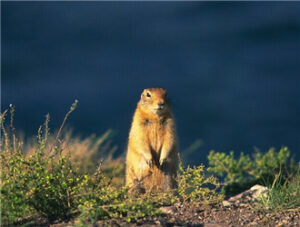
Marmot
The marmot is an expert burrower and hibernator with a coat the color of soil and a clever, endearing look. A vegetarian rodent kept as a pet, it needs a sturdy cage, fresh food and water daily, and vitamin C to avoid scurvy.

What to Do If Your Dog or Cat Has Tapeworms
Many species of tapeworms parasitize dogs and cats, and the adult worms seriously harm their health, while the larval stages often use livestock or humans as intermediate hosts, threatening both animals and people. Common species include Dipylidium caninum, Taenia spp., Echinococcus granulosus, Mesocestoides, Spirometra mansoni, and Diphyllobothrium. Infection causes intestinal inflammation, malnutrition, and in severe cases intestinal blockage, with signs like vomiting, diarrhea, weight loss, and odd behavior. Diagnosis relies on clinical signs plus fecal egg exams. Prevention means regular deworming, not feeding raw offal, and controlling fleas. Treatment uses praziquantel (5 mg/kg dogs, 2 mg/kg cats), arecoline hydrobromide, bunamidine, or fenbendazole under veterinary guidance. Because some tapeworms (like Echinococcus) also endanger human health, prompt and correct control matters.

Pasteurellosis in Dogs and Cats: Symptoms, Treatment, and Prevention
Pasteurellosis is an acute, feverish infectious disease caused by Pasteurella multocida. The acute form is marked by septicemia and hemorrhagic inflammation (historically called 'hemorrhagic septicemia'); the chronic form shows subcutaneous, joint, and organ abscesses, often mixed with or secondary to other diseases. Chickens are most commonly affected, but cats and dogs can also be infected.
- « Previous
- 1
- …
- 3
- 4
- 5