Search Results
43 results for “rabbit obesity”
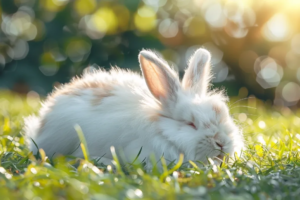
What Affects a Rabbit’s Lifespan?
A rabbit's life is shaped by its own traits, diet, and environment. Feed hay-based balanced food (not just vegetables or sweets), keep the cage clean, dry, and quiet between 15–25°C, house it indoors, avoid over-bathing and neglect, and don't breed females repeatedly — all of which shorten life.
How to Care for a Rabbit?
A rabbit's diet should be mainly hay; feed alfalfa before adulthood for protein and calcium, then timothy hay to avoid obesity. Pellets and small amounts of produce round out nutrition.
How to tell if a lop-eared rabbit is an adult?
A lop-eared rabbit is adult at 6 months, with sharp claws hidden in foot fur, pink-based white-tipped. Adult incisors are large, neat and white. An adult Dutch lop weighs about 2.2 to 2.5 kg and is 40 cm long; reduce alfalfa after adulthood to avoid excess calcium and obesity.
What happens if a rabbit eats alfalfa all the time?
Alfalfa is too high in calcium, causing excess nutrition and urine calcium, plus obesity. After 3 months rabbits can't absorb some nutrients; switch to timothy hay.

Is It Okay to Keep a Rabbit Caged All the Time?
Keeping a rabbit in a cage permanently is not recommended. Rabbits are active animals that love to run and jump, and constant confinement limits their natural behavior. Long-term caging can lead to weakened physique, bone deformity, and muscle loss, while the lack of social contact may cause loneliness and stress. To keep a rabbit healthy and happy, provide a roomy enclosure with good ventilation and light, plus a safe exercise area where it can move freely each day. Add comfortable bedding, fresh water, and chew toys, and clean the cage regularly to prevent dampness and disease. In short, rabbits need space and daily out-of-cage time to thrive.

What Happens When a Rabbit Is Obese?
Obesity hurts a rabbit's health and happiness—it strains body function, raises the risk of heart disease and arthritis (often showing in old age), cuts mobility, and overloads the feet, inviting sore hocks. Causes are high-sugar/starch overfeeding, lack of space to move, and genetics. Prevent with high-fiber food, room to run, and weight checks.
Can Rabbits Eat Strawberries?
Rabbits can eat strawberries, but only in moderation. Strawberries are rich in vitamins and good for growth, yet their high water and sugar content can cause diarrhea, tooth decay, or obesity. Offer them only as an occasional treat.

When Should a Rabbit Start Chewing (Teeth Filing)?
Rabbits generally need to start chewing around 2-3 months old, once their teeth are fully grown; without it, the front teeth keep growing and can cause chewing trouble or even eating problems. Overgrown teeth can pierce the gums and lead to infection. Offer safe chew toys or untreated natural wood (apple twigs, willow, corn cob), and have a vet trim them if they get too long.

How Many Times a Day Should You Feed a Rabbit?
Most adult rabbits do well on two meals a day, while growing juveniles need three to four smaller feedings; seniors or rabbits with health issues may need adjusted schedules per a vet. Base the diet on unlimited hay, a measured amount of pellets, and limited fresh vegetables, and keep portions modest to avoid obesity and gut trouble. Watch appetite and weight and adjust as needed.

Can Rabbits Eat Steamed Buns?
It is best not to feed rabbits steamed buns. Made mainly of flour, yeast, and water, buns are rich in carbohydrates that a rabbit's digestive system cannot handle well, and eating them can cause digestive trouble and obesity. A rabbit's diet should center on high-fiber, low-fat, low-sugar plants. Grass provides the fiber that supports gut digestion, so pair hay with limited fruit and vegetables for balanced nutrition.