Search Results
144 results for “rabbit not eating feed”

Key Points for Rabbit Care in October
October brings big day-night temperature swings and the molting period, raising disease risk, so the focus is protecting pregnant does through each pregnancy stage and preparing the kindling box, storing dried forage, and preventing contagious disease with vaccination, stable warmth, and weekly disinfection.

Feeding Management for Rabbits by Life Stage
Rabbit feeding changes by stage: kits need colostrum within 10 hours and a warm dry box at 28-31°C, pellets start at 16-22 days, twice-daily junior formula at 40 days, and grass alongside feed at 60-90 days. Keep housing clean and dry and prevent coccidiosis, overeating, and diarrhea.
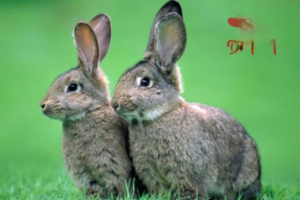
Seasonal Care Tips for Raising Rabbits
Weather strongly affects a rabbit's behavior and health, and harsh conditions can be dangerous. Good husbandry means adapting care by season—controlling moisture and preventing coccidiosis in spring, avoiding breeding and beating the heat in summer, boosting nutrition and guarding against respiratory illness in autumn, and keeping warm in winter.
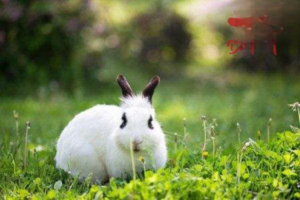
Taboos to Avoid When Raising Rabbits on a Farm
Good rabbit husbandry means avoiding common mistakes: keep the hutch dry and quiet, control heat, vary the diet, feed measured amounts, transition feed gradually, and never serve spoiled feed or skip nighttime feeding and water. Following these basics lowers disease risk and keeps rabbits thriving.

How to Assess a Rabbit’s Health
Check a rabbit's health daily with the "three checks and five looks": check food intake, water, and droppings, and look at spirit, appetite, face, movement, and coat. Early signs—poor eating, odd stools, dull eyes, or skin trouble—mean isolate and treat promptly.

Reasons Why Rabbits Won’t Eat and How to Solve It
Rabbits not eating is very common. Why don't rabbits eat? Except for illness, the problem is more about the food fed, so for the problem of rabbits not eating, we have to find a solution from the food. Below we talk about the reasons why rabbits don't eat and the corresponding solutions.
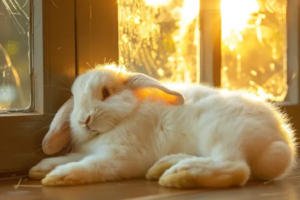
Foods Rabbits Must Avoid
Rabbits are born vegetarians and like to eat grass. Everything else must be fed with caution. For young rabbits, even fruits and vegetables cannot be fed. Only adult rabbits can eat them appropriately. So what things can rabbits not eat? What is a reasonable diet for rabbits? Below we answer your doubts.
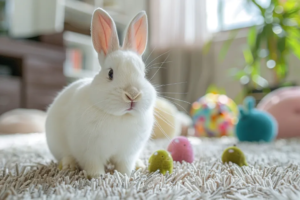
What Food Is Best for Rabbits to Eat?
What food do rabbits eat? Most people probably think of carrots. In fact, besides grass as a staple, besides carrots, there are other fresh fruits and vegetables that rabbits can eat. Below we give examples of some common foods suitable for rabbits to help them grow healthily.

The Necessity of Feeding Hay to Rabbits
Eating hay is necessary for rabbits. Even if the rabbit food the owner usually feeds is good, hay must still be provided. Many people wonder why hay is so important to rabbits. Below we tell you about the necessity of rabbits eating hay. Why must pet rabbits eat hay?
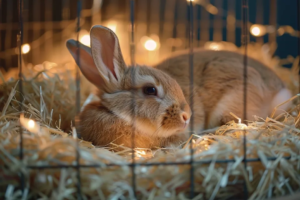
What Foods Can Rabbits Not Eat?
Raising rabbits is also a subject of study. Some people find it difficult to raise rabbits well, and the rabbits die easily, but this may also be because the rabbit ate some inedible food. A rabbit's staple food must be grass, and everything else must be fed with attention; even feeding fruits and vegetables has its own rules. Next, let's look at what foods rabbits cannot eat with us!