Search Results
8 results for “rabbit night vision”

How Good Is a Rabbit’s Night Vision?
Rabbit night vision is about as good as daytime vision because their eyes gather light well, but like all vision they have a blind spot, a small zone right in front of the nose that they compensate for with smell.
Is a Rabbit a Nocturnal Animal?
Rabbits are nocturnal, active at dawn and dusk with eyes that gather light. Side-set eyes give a wide field of view to spot surroundings in low light.
What are a rabbit’s characteristics?
Rabbits have long upright ears, large lively eyes, 180-degree monocular vision, and a typical three-lobed mouth. They are nocturnal, resting by day and most active and feeding at night. Their incisors grow continuously, so they must chew to wear them down or risk oral disease.
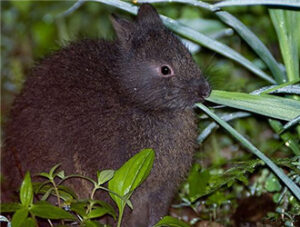
Amami Rabbit
The Amami Rabbit, also known as the Ryukyu rabbit, is an ancient wild rabbit with short ears, native to Japan and considered a living fossil and close relative of the Arctic hare. It is listed as Endangered (EN) on the IUCN Red List.

Rabbit Vitamin A Deficiency
Vitamin A keeps rabbit mucous membranes intact and vision sharp; deficiency, worst in winter and early spring, brings slow growth, weak coat, nerve signs, eye damage (conjunctivitis, keratitis, even ulceration), and in pregnant does premature birth or dead malformed kits. It stems from low-carotene feed, poor gut or liver absorption, or vitamin loss in storage. Diagnose by history, lesions, and plasma vitamin A below 0.2 to 0.3 mg/ml.

Common Causes, Symptoms and Treatment of Pet Colds
Pets catch colds easily — usually from chills (season changes, baths, drafts, rain, cold floors) or low resistance. A plain cold can worsen into something serious, so treat it early. Never give human cold medicine (acetaminophen is toxic to dogs and cats); use pet-specific drugs. Learn the warning signs that separate a cold from pneumonia, rhinitis, feline herpesvirus (cat flu) or distemper.

Mountain Hare
The Mountain Hare (Snow Rabbit) is a hare of cold regions whose coat color differs between winter and summer. It is the only completely color-changing hare still found in China, with greater numbers in Heilongjiang. Timid and easily startled, it is difficult to keep in captivity.

Guinea Pig
The Guinea Pig (Cavia porcellus), also called the cavy, is a gentle South American rodent kept worldwide as a pet. It needs a roomy cage, a bottle, and — unlike many rodents — a diet with added vitamin C: grass hay, guinea-pig pellets, and fresh vegetables. Its teeth grow for life, so fibrous food is essential.