Search Results
199 results for “rabbit low appetite”
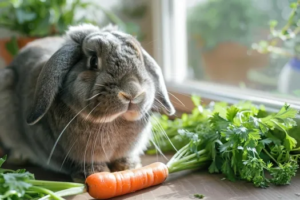
Why Is Your Rabbit Losing So Much Fur?
Heavy fur loss in rabbits can come from several causes, shedding season, poor nutrition, environment, parasites, or skin disease, so identify the cause before treating. Daily, brush and clean the coat to reduce loose fur, feed a balanced diet with enough protein, vitamins, and minerals, and keep the habitat dry, clean, and ventilated to avoid skin and parasite problems. If hair loss comes with other signs like itching, redness, or poor appetite, take the rabbit to a veterinary clinic for checks and treatment.

How to Help a Rabbit Adjust to a New Home
Rabbits are sensitive, so moving to a new home can make them tense and unsettled. Before the move, prepare a warm, safe enclosure and place the rabbit's own toys, blanket, bedding, and water bowl there so it recognizes familiar scents. Once home, let the rabbit settle in with minimal noise and disturbance, then gradually introduce new people, sounds, and smells, starting with family members and widening the circle. Keep feeding and routines consistent, since stable daily life builds a sense of safety and trust. Patience, not speed, is what helps a rabbit feel at home.

Why Does My Rabbit’s Nose Twitch Constantly?
A rabbit's nose may twitch frequently for many reasons—sniffing, breathing trouble, anxiety, or bacterial and parasite infections, even a nose injury. When the rabbit is calm or asleep, the twitching usually slows or stops. To protect your pet, provide a suitable environment, balanced diet, controlled temperature and humidity, and regular cleaning and disinfection to limit infection. If the twitching persists with a runny nose, injury, appetite loss, or lethargy, consult a veterinarian for a proper diagnosis and treatment plan.

Rabbit Lying Down with Weak Limbs — What to Do
Seeing a rabbit flat on the ground with weak legs can look like the end, but the cause is often treatable. The three usual suspects are heatstroke from a hot, stuffy room, low blood sugar from poor nutrition, and coccidiosis, a parasitic gut infection. Each has a distinct fix, from cooling and glucose to deworming and disinfection. This guide explains how to tell them apart and what to do before a vet visit becomes necessary.

Can You Take a Rabbit for a Walk?
Rabbits can go for walks, and occasional outings benefit them: exercise builds strength and stamina, time outdoors eases stress and anxiety, and walking stimulates gut movement to improve appetite and digestion. Outings may even support a longer, healthier life. Keep it safe, though—choose a quiet area away from traffic and hazards, acclimate the rabbit gradually, avoid extreme heat or cold, and watch for signs of distress. Outdoor rabbits should also be dewormed regularly. Indoor rabbits generally do not need walks, but outdoor rabbits can enjoy moderate, supervised time outside.

What to Do If Your Pet Rabbit Is Constipated
Constipation is common in pet rabbits and, when severe, leads to refusal to eat and listlessness, so it needs prompt attention. Causes include unbalanced feed with too little water, foreign material in the diet, lack of exercise, or secondary disease such as anal inflammation or gut atony. Signs are dropping appetite, weak gut sounds, small hard droppings, then no stool at all, sometimes with bloating. Treatment clears the gut with short fasting, water, abdominal massage, and, if needed, a sodium bicarbonate enema; prevention centers on greens, water, exercise, and a fixed feeding schedule.

Caring for Rabbits in Summer
Summer's heat makes rabbits harder to keep healthy, without care they risk heatstroke, nutritional disease, and infection, so managing nutrition is key. Offer cooling feeds like bitter melon or watermelon rind to ease heat stress and lift appetite. Probiotic supplements help prevent digestive illness, calm heat stress, and cut hut odor and respiratory risk. Although heat lowers intake, don't cut energy too far; add fat to keep energy steady. Above all, always provide free access to fresh water.

Essential Tips for Raising Healthy Rabbits
Rabbits are sensitive to their environment, and getting temperature, humidity, feed variety, and nighttime feeding right is essential to keeping them healthy. Their thick coat and weak sweat glands make it hard to release heat, so rabbits tolerate cold better than heat; a stuffy, humid hutch quickly leads to illness. Aim for about 20-27C, keep bedding dry, offer a varied diet instead of a single feed, and provide plenty of hay at night when rabbits are most active. These basics help prevent disease and support steady growth.
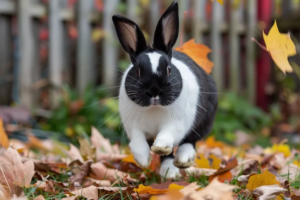
What Factors Affect a Rabbit’s Wool Production?
A rabbit's wool output depends on breed, sex, body weight, age, nutrition, and the season and temperature around it. Long-haired German-line rabbits usually produce the most fine wool, while females and neutered males tend to out-yield intact males, and rabbits between one and three years old are at their peak. Steady, balanced feeding with enough protein supports follicle growth, and cooler weather raises output. To boost production, choose strong breeding stock, use crossbred vigour, feed well, manage the environment, and harvest the wool on a sensible schedule.

How to Boost a Rabbit’s Appetite in Summer
When a rabbit eats less in summer, keep its bottle full of clean water for hydration, offer fresh hay in small frequent servings to avoid spoilage, and raise the share of water- and fiber-rich fruits and vegetables to tempt eating. Heat makes rabbits sluggish, but daily out-of-cage play supports health and appetite. Also keep the space cool and ventilated, vary the diet, control sugary or starchy food, avoid the hottest sun, and see a vet if poor eating persists.