Search Results
67 results for “rabbit lethargy”
My rabbit has jelly-like stool with poor appetite and lethargy, and I have no rabbit medicine at home—what should I do?
If your rabbit has diarrhea, check its diet first and ensure plenty of hay and fresh water with some vegetables. For mild cases, fast 12–24 hours with warm water or electrolytes, add gut probiotics, and keep it warm and comfortable. If it lasts or is severe, take it to a vet.

Why Is My Rabbit Not Eating and Lethargic?
Not eating with low energy signals a gut problem—most often dehydration, constipation, or the dangerous intestinal obstruction (blockage). A blockage is life-threatening, so act fast: keep the gut moving with forced feeding, gentle exercise and belly massage, and steady water, and get to a vet if it doesn't improve.

Symptoms of Gastroenteritis in Rabbits
Gastroenteritis hits rabbits of any age but kills many kits; catch it early or it's often fatal, so prevention beats treatment. Signs are foul, watery diarrhea with mucus, blood, and undigested feed, a soiled rear, a fever that then crashes below normal, and later lethargy, dehydration, and sunken eyes. Prevent with strict diet and hygiene; treat with antibiotics, anti-diarrheals, and fluid therapy.
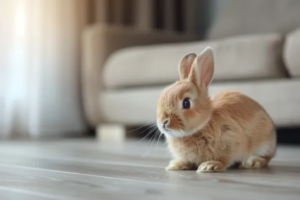
How Owners Can Help a Rabbit With Diarrhea
Rabbit diarrhea usually traces to diet — too much water or too little fiber, parasites, or stress — and young rabbits are vulnerable. Withhold greens and fast briefly with hay and water for mild cases, but seek a vet at once for blood, mucus, fever, or lethargy.

Why Are My Rabbit’s Ears Hot? What to Do
Hot ears are a clear sign a rabbit's body temperature is climbing, usually from heat exposure or the early stages of heatstroke. In warm weather watch for lethargy, rapid breathing, and reddened ears, and act fast: move the rabbit to a cool, ventilated spot and apply cold compresses. Severe cases may need veterinary care such as IV fluids or medication to bring the temperature and pressure down.

How to Assess a Rabbit’s Health
Check a rabbit's health daily with the "three checks and five looks": check food intake, water, and droppings, and look at spirit, appetite, face, movement, and coat. Early signs—poor eating, odd stools, dull eyes, or skin trouble—mean isolate and treat promptly.

Rabbit Vesicular Stomatitis
The vesicular stomatitis virus causes rabbit vesicular stomatitis, living in sick rabbits' saliva and necrotic oral tissue; just-weaned kits are most at risk. Incubation is 5 to 7 days. Signs: red mucous membranes, vesicles on lips, tongue, and palate that become pustules then ulcers with heavy drooling; secondary bacteria cause foul necrosis. Mortality exceeds 50%. Differentiate from chemical or mold-induced stomatitis, which is not contagious.
Rabbit Conjunctivitis
Conjunctivitis is a serious, contagious rabbit eye disease; untreated it can blind. It's often from pasteurella in dirty, damp housing. This article covers causes, the incubation period, and prevention/treatment.
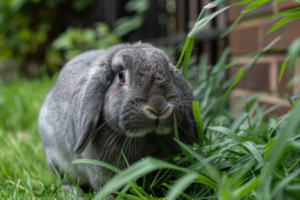
The Pathogenesis of Rabbit Red-Eye Disease
Red-eye disease is another name for rabbit conjunctivitis—a common, serious, contagious illness caused mainly by pasteurella overgrowth. This article explains how it develops, its incubation, and treatment.

Symptoms and Treatment of Rabbit Ear Mange
Rabbit ear mange is a highly contagious skin disease caused by mite infestation, usually the result of poor hygiene. Infected rabbits scratch their ears constantly and shake their head, and may also show lethargy, restlessness, and loss of appetite; if left untreated the infection can spread and become life-threatening.