Search Results
50 results for “rabbit heatstroke”
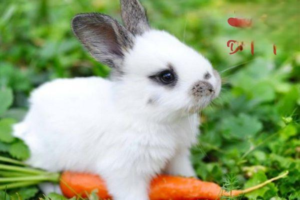
How to Prevent Rabbit Heatstroke
Summer heat easily causes heatstroke in rabbits; above 33°C it can bring twitching, coma even death. Learn the prevention and the first-aid steps.

Practical Measures to Prevent Rabbit Heatstroke
Heatstroke is common in summer and can kill if untreated. This guide covers shade, ventilation, cooling, and cooling melon-fruit treats — with the cautions that matter.

What Are the Symptoms of Heatstroke in Rabbits?
Rabbits can suffer heatstroke in high temperatures, and without prompt treatment it can be fatal. Here are the symptoms and emergency measures every rabbit owner should know, so you can act early.

How to Treat Heatstroke in Rabbits
Heatstroke is a real risk for rabbits in hot weather because they tolerate cold better than heat and have dense fur. Move the rabbit to a cool, well-ventilated spot, lower its body temperature with cool towels and water, and seek a vet promptly if symptoms do not improve.

How to Prevent Heatstroke in Pet Rabbits During Summer
Rabbits sweat poorly and overheat easily, so summer heatstroke can be fatal. Prevent it with shade (black mesh, awnings, whitewashed walls), ventilation, lower stocking density (~10 rabbits per m²), sprinkling water, ample cool drinking water with 1% salt or vitamin C, and cooling foods like watermelon rind and cucumber, plus electrolyte-glucose supplements.
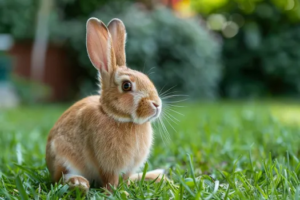
What to Do When a Rabbit Has Heatstroke
Rabbits overheat easily because of their thick coat and poor heat dissipation, and severe heatstroke can be fatal. Move a stricken rabbit to a cool, ventilated place, cool it with a damp towel, and prevent recurrence by keeping cages shaded, well-ventilated and supplied with plenty of water.

Can a Rabbit Recover from Heatstroke on Its Own?
Rabbits have some self-recovery ability, so mild heatstroke may pass on its own, but severe cases rarely do and can be fatal, so never rely on it—act fast. Signs include high temperature, rapid breathing, and fast heartbeat; move the rabbit to shade, cool the ears and head with a damp cloth, and replace fluids and electrolytes. Prevention means ventilation, lighter summer feeding, lower density, and electrolytes in the water.

Feeding and Care for Young Rabbits and Weaned Kits
Once kits are successfully weaned they become young rabbits and must start living independently. Here are practical feeding and care methods for this stage to help them thrive.

Factors That Affect Baby Rabbit Survival Rates
The main factor in kit survival is the strength of the kits' own immunity, with poor care being a close second. This guide covers nest box setup, nursing, preventing cannibalism, and safe weaning to raise more healthy rabbits.

Key Techniques for Raising Rabbits
Whether for meat, wool, or as a pet, rabbits need scientific care: a fiber-rich diet in small frequent meals, clean non-tap drinking water, a steady 20°C environment, and strict hygiene with 12–15 hours of light. Master these to keep rabbits healthy.