Search Results
99 results for “rabbit health check”

How to Assess a Rabbit’s Health
Check a rabbit's health daily with the "three checks and five looks": check food intake, water, and droppings, and look at spirit, appetite, face, movement, and coat. Early signs—poor eating, odd stools, dull eyes, or skin trouble—mean isolate and treat promptly.

How to Care for Unweaned Rabbit Kits
Unweaned kits are fragile—they need colostrum within 6 hours, a warm dry nest, balanced nursing, and gradual bedding changes, with supplementation from 18 days and weaning at about 35 days once they reach 1.2 lb. Careful nursing raises survival.

How to Identify Pododermatitis (Sore Hocks) in Rabbits
Many owners raise rabbits in dog cages, but rabbits raised this way are prone to pododermatitis. Perhaps some owners know to put padding on the cage floor, but if the padding quality is poor or the method is wrong, it will still cause rabbits to get pododermatitis. Rabbit pododermatitis can be treated, but it is troublesome to treat. Below we detail the identification and treatment of rabbit pododermatitis, hoping to help you.
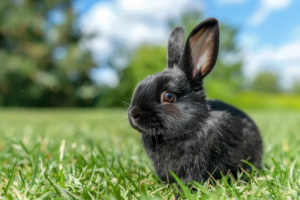
Why Is Your Rabbit’s Belly Bloated?
A bloated rabbit belly usually means overeating or gas. Causes include hard-to-digest food, low fiber, too much alfalfa, or toxic feed. Relief: portion control, exercise, belly massage, and celery or honey.

What to Do When Your Rabbit Loses Its Appetite
A rabbit that stops eating is a warning sign. This article explains common causes of poor rabbit appetite—spoiled food, gut issues, nutritional gaps—and how probiotics, diet changes, and vet checks can restore it.

Why a Rabbit’s Eyes and Nose Look Wet
Wet eyes and nose in a rabbit can mean a cold, moisture from drinking, or eye irritation from debris. A careful check is needed to find the cause—this article explains the responses.

How to Select Quality Breeding Rabbits
A breeding rabbit's quality strongly affects its offspring, so check both bucks and does carefully when buying in. Here is how to choose.
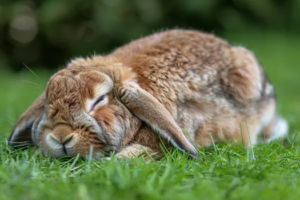
What Color Should Rabbit Urine Be?
Rabbit urine can be clear, yellow or even brick-red, and color often tracks diet and health. Learn what is normal and when a color means trouble.

Reading Your Rabbit’s Health from Urine Color
A rabbit's urine can reveal its health. Pale and thick urine may mean too much alfalfa or high-calcium feed. Learn what each color means and when to worry.

How to Clean Different Parts of Your Rabbit
Rabbits should not be bathed often, so clean only the dirty spots. Paws, eyes, body, and ears each need a different approach, and recurring dirt or discharge can signal mites or disease that needs treatment.