Search Results
125 results for “rabbit hay”

Lop Rabbit Care Essentials
Lop rabbits make popular pets but need correct care. Buy a 2 to 3 month healthy one, feed pellets and hay as staples with small vegetable and fruit treats (none under 6 months), never meat or spicy food, and keep cats away to avoid toxoplasmosis. Litter-train early, walk at dusk on safe ground, keep 18 to 25°C, and groom, bathe monthly, and trim nails.

Rabbit Viral Hemorrhagic Disease: Symptoms and Prevention
Rabbit viral hemorrhagic disease (RHD, or 'rabbit plague') is a highly contagious viral infection with up to 100% mortality and no specific cure. Control relies on the semi-annual RHD vaccine, strict hygiene, and disinfecting feed and water contaminated by sick rabbits.

Rabbit Feeding Habits and Eating Behavior
Rabbits are single-stomach herbivores that prefer plants, pellets and a little vegetable oil or sweet feed, with animal feed kept under 5%. They practice coprophagy — eating nutrient-rich soft cecotropes at night — and eat mostly after dusk, so sudden feed changes cause refusal and gut upset. Introduce any new feed, including animal protein during pregnancy or lactation, gradually.
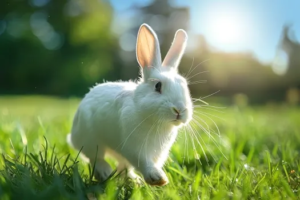
Rabbit Hairball Disease: Causes and Treatment
Hairball disease, common in long-haired rabbits, comes from swallowing too much fur and blocks the gut with constipation, bloating, and sometimes death. Causes range from cramped cages and poor diet to vitamin or mineral gaps and skin disease. Prevent it with full-ratio feed, isolation of fur-eaters, and regular grooming; treat with vegetable oil and enzyme tablets to pass the mass.
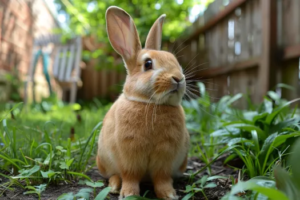
Causes and Treatment of Ringworm in Rabbits
Ringworm in rabbits is closely linked to poor physical condition. A dirty, damp living space and a lack of proper nutrition weaken the rabbit and lead to fungal infection. Here is how to treat rabbit ringworm.

Why Is My Rabbit Passing Red Stool?
Red stool can be harmless—red-pigmented foods like red spinach or mustard greens—or a warning of bleeding from gut inflammation, gastritis, or an anal tear. Overfeeding concentrated feed ferments in the cecum, upsets the gut flora, and causes enteritis with bloody diarrhea. Keep the home dry and airy, prevent coccidiosis, use a smooth cage floor, feed vegetables in moderation, give chew toys, control portions (rabbits have no fullness cue), and balance grain, greens, hay, and water.

When Is a Rabbit Considered a Senior, and How Should You Feed an Older Rabbit?
Most rabbits are seniors at 5+ years (small breeds earlier, giant breeds by 3-4). Aging shows as less appetite, more sleeping, lower activity, and a coarser coat. Care means a clean environment, extra protein with unlimited hay, and more companionship.
How long can a pet rabbit live?
Pet rabbits usually live about 5-10 years, longer with good care. Lifespan relates to health, keeping method, and environment. Feed rabbit pellets and hay as staples with some fresh fruit and vegetables, but never fresh produce for baby rabbits. Clean and disinfect the hutch regularly to reduce disease.
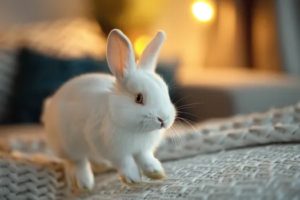
What to Do When Your Rabbit Won’t Eat Pellets
A rabbit may refuse pellets if they taste bad, after a sudden switch, or from gut upset. Pick high-fiber pellets, switch over 7 days, feed hay as the 80% staple, and see a vet if illness is the cause.
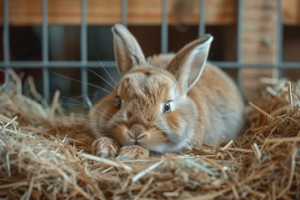
Key Points for Raising and Managing a Baby Rabbit
Baby rabbits are fragile: feed junior pellets and alfalfa (not fruit/veg), give clean water (never tap), keep the cage clean and quiet, hold temperature near 20 C (15-30 range), and prevent diarrhea and coccidiosis.