Search Results
17 results for “rabbit fur pulling”
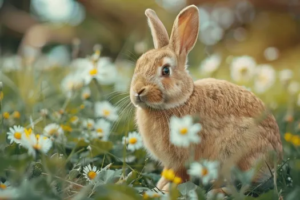
How to Prevent and Treat Fur-Pulling Syndrome in Long-Haired Rabbits
Plucking wool from long-haired rabbits stimulates the skin and speeds up wool growth, but improper technique or timing can damage the hair follicles and lower both growth rate and yield. Disinfect tools and give dexamethasone before plucking, and treat any fungal or mite infection promptly with griseofulvin or ivermectin. Harvest on a roughly 75-day cycle—shorter in summer—groom regularly, supplement feed beforehand, and keep the rabbit warm afterward.
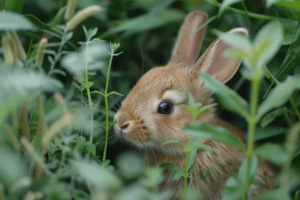
Why Rabbits Pull Their Own Fur
A rabbit pulling its fur may simply be a pregnant doe lining a nest before birth — or it may signal skin disease, parasites, a vitamin/mineral shortfall, or the stress of too small a cage. Check the skin for rash or scabs, fix the diet with varied hays and greens, and give it room to roam; separate any fur-puller from cage-mates so the habit doesn't spread.
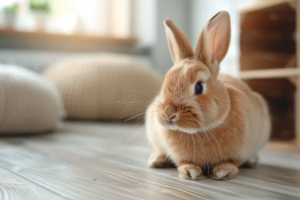
How to Care for a Pregnant Rabbit
A pregnant doe needs rising nutrition — especially in late gestation — to support embryos and later milk production, with green feed increased and concentrate eased only in the final three days. Handle her gently to avoid miscarriage around days 15–20, house her alone in a quiet, dry space, and disinfect the nest box before birth.

How Do Male and Female Rabbits Act When in Heat?
Intact rabbits show clear, different heat signs by sex. Does get a dark-red, swollen vulva, rub their chins on objects, and may show false pregnancy; bucks circle, mount, and bite to hold. Knowing these signs helps you manage breeding and the mess that comes with it.

How Often Does a Doe Rabbit Come Into Heat?
A doe's heat cycle runs about 1–2 weeks, with each heat lasting 2–3 days. Tell heat stage by vulva color — pink (early), bright red (mid, best for mating), purple-red (late), then pale. Mate naturally by placing the doe in the buck's cage, or assist manually if she will not lift her tail.

Why Is Your Rabbit Not Eating? Common Causes
A rabbit that stops eating can signal seasonal boredom, a sudden food change, breeding period, bloating, or pregnancy. This article lists the main causes and the practical responses for each.
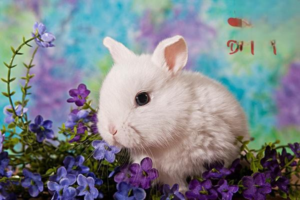
How to Manage a Nursing Doe Rabbit
After birth, kit care matters, but the doe needs care too. Poor doe care means low milk, weak next litters and mastitis. Here is the management plan.
How do I trim an Angora rabbit’s fur?
Trimming an Angora rabbit: first prepare scissors, comb, and clippers; comb the fur straight and find the longest parts. Then use scissors or electric clippers to gradually cut the longest fur, avoiding the skin or pulling the fur; start with the back and sides, then legs and head. After trimming, comb again to check for missed spots.
How long after mating does a rabbit show fetal movement?
A pregnant rabbit usually shows fetal movement in the 3rd week, visible on the belly wall. The pregnancy is about 4 weeks; after week 3 add nutrition, and prepare a nest box as it pulls fur 4-7 days before birth.
How soon before birth do pregnant rabbits pull fur?
Pregnant rabbits pull fur 1-3 days before birth to line the nest. Gestation is 28-32 days; prepare the nest box ahead.