Search Results
483 results for “rabbit food”

What to Do About an Abscess on a Rabbit’s Eyelid
A healthy rabbit shouldn't develop an eyelid abscess, so treat it promptly before it worsens. Causes are irritants (dust, paper), poor diet, or fungal skin infection spreading to the eye. Flush irritants with saline, use rabbit eye drops for diet-related cases, and treat any underlying skin fungus at the same time.
Symptoms of Stomatitis in Rabbits
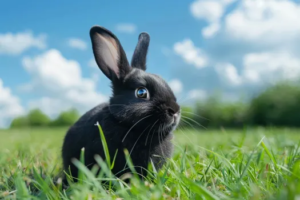
Rabbit stomatitis shows as red, swollen gums, mouth blisters, and mucosal ulcers that make chewing painful, so the rabbit drools, stops eating, and can waste away or dehydrate. Soften the diet, keep the mouth clean, and—above all—prevent it by avoiding a monotonous diet that lacks B vitamins.

How to Prevent Rabbit Gastroenteritis
Rabbit gastroenteritis can kill within hours to days, especially in kits, so prevention beats treatment. Feed clean, regular, balanced meals; avoid spoiled or frozen food and over-rich concentrates; treat bloat early with vinegar or herbal tinctures; and keep the hutch dry and the rabbit moving to avoid constipation.
How to Train a Rabbit
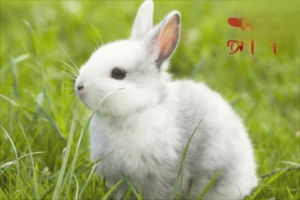
Training helps a rabbit settle into home life, but every rabbit is different and needs patience—never force or hit it. Teach its name with rewards, let it out daily and recall it with a cue, train it to accept nail trims by getting it used to paw touches, and correct misbehavior in the act followed by a brief timeout.

Why Is My Rabbit Not Eating and Lethargic?
Not eating with low energy signals a gut problem—most often dehydration, constipation, or the dangerous intestinal obstruction (blockage). A blockage is life-threatening, so act fast: keep the gut moving with forced feeding, gentle exercise and belly massage, and steady water, and get to a vet if it doesn't improve.

Is Neutering a Rabbit Risky? What to Watch For
Neutering carries the usual anesthetic risk, but it's still worthwhile to prevent reproductive disease. Book an experienced small-mammal vet, schedule a morning slot, cushion the carrier against stress on the way, share the rabbit's history with the surgeon, insist on gas anesthesia with ECG monitoring, and recover it with a cone and high-fiber, easy food for about 10 days.

Symptoms of Gastroenteritis in Rabbits
Gastroenteritis hits rabbits of any age but kills many kits; catch it early or it's often fatal, so prevention beats treatment. Signs are foul, watery diarrhea with mucus, blood, and undigested feed, a soiled rear, a fever that then crashes below normal, and later lethargy, dehydration, and sunken eyes. Prevent with strict diet and hygiene; treat with antibiotics, anti-diarrheals, and fluid therapy.

Are You Really Ready to Keep a Pet Rabbit?
Rabbits are fragile and need more care and patience than cats or dogs, which is why fewer people keep them. Before you commit, ask whether you have the time, space, budget, patience, and lifelong commitment—and never treat a rabbit as a toy. Pet rabbits are weaker and smaller than farm rabbits but no different in nature.

Types of Rabbit Feed
Rabbit feed falls into three groups — concentrates (pellets), roughage (hay), and succulents (vegetables, roots). Pellets cover energy and protein; hay supplies the fiber rabbits need most; succulents add water and vitamins but cause diarrhea if overfed. Wash and drain greens, and treat them as occasional, not staples.

What Makes a Healthy Rabbit Diet?
A rabbit's gut is delicate, so a complete commercial pellet should form the base of the diet, supplemented with hay, washed vegetables, and fruit given in moderation. Avoid irritants, spoiled food, and toxic items like chocolate or moldy feed, and provide chews to keep teeth from overgrowing.