Search Results
132 results for “rabbit drinking water”
Rabbit has diarrhea after drinking water
Diarrhea after drinking may be unclean water or too much intake. Stop food briefly to ease the gut, then offer quality hay/high-fiber pellets and probiotics; keep the water bottle clean.
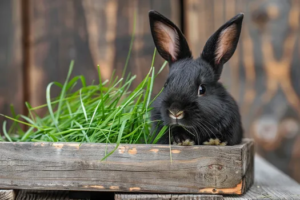
Will a Rabbit Die from Drinking Water? Can Rabbits Drink at All?
Rabbits have delicate guts, and many know that watery vegetables cause enteritis and death, blamed on the water in veggies. So should rabbits not drink? The answer may surprise you.

Productive Lifespan of Breeding Rabbits
A breeding rabbit's best years are the first one to two, with productivity then falling 15 to 20 percent a year, so renew stock every 2 to 3 years. Give breeders a clean, dry, well-ventilated hutch, breed in spring and autumn, cool them in summer, and keep them warm below 5°C.

How to Determine the Right Feed Amount for a Rabbit
The right daily feed amount for a rabbit depends on body size, body condition, droppings, hunger level, and weather. As a rule, feed to about 80% fullness, adjust greens and water based on stool consistency, and split feedings across the cooler parts of the day in hot weather.

How to Assess a Rabbit’s Health
Check a rabbit's health daily with the "three checks and five looks": check food intake, water, and droppings, and look at spirit, appetite, face, movement, and coat. Early signs—poor eating, odd stools, dull eyes, or skin trouble—mean isolate and treat promptly.

Reasons Why Rabbits Won’t Eat and How to Solve It
Rabbits not eating is very common. Why don't rabbits eat? Except for illness, the problem is more about the food fed, so for the problem of rabbits not eating, we have to find a solution from the food. Below we talk about the reasons why rabbits don't eat and the corresponding solutions.
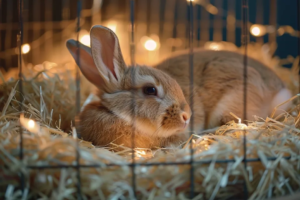
What Foods Can Rabbits Not Eat?
Raising rabbits is also a subject of study. Some people find it difficult to raise rabbits well, and the rabbits die easily, but this may also be because the rabbit ate some inedible food. A rabbit's staple food must be grass, and everything else must be fed with attention; even feeding fruits and vegetables has its own rules. Next, let's look at what foods rabbits cannot eat with us!

Warning: These Foods Are Toxic to Rabbits!
Frozen, fried, and cooked foods cannot be given to rabbits. A rabbit's diet should be mainly hay and rabbit pellets, supplemented with some fruits and vegetables. There are many foods that rabbits cannot eat, and eating them may cause a series of diseases. Today we tell you about the foods that cannot be fed to rabbits, hoping to help you ensure your rabbit's dietary safety.

How to Prevent and Treat Rabbit Vesicular Stomatitis
Rabbit vesicular stomatitis has no vaccine or specific cure, so control relies on integrated biosecurity plus symptomatic care. Prevention: good husbandry, no moldy feed, smooth cages to protect teeth. Treatment: isolate, disinfect with 20% caustic soda or 0.5% peracetic acid, rinse mouth and apply iodine glycerin, oral sulfamethazine, and herbal supports.
How to Raise Rabbits for Faster Growth
Growth rate is one of the indicators of a rabbit's quality. To raise fast-growing rabbits, focus on selecting fast-growing breeds suited to your local climate, grouping rabbits by size and age for fattening, feeding a balanced grain-based diet on a fixed schedule, providing ample clean water, keeping the hutch clean and well-ventilated, and staying on top of disease prevention.