Search Results
123 results for “rabbit alfalfa”

Do Rabbits Bite, and When
Yes, rabbits can bite, but not without cause — usually when frightened, needing to chew, feeling hostility, or guarding possessions. Their teeth are sharp, so any bite needs prompt wound cleaning and medical care. Giving chew items and handling gently prevents most bites.

How to Balance a Rabbit’s Diet Properly
Feed makes up a large share of rabbit-keeping costs. Many owners wonder how to keep a rabbit's diet both balanced and economical—which is quite doable, since rabbits are herbivores and plant-based food is inexpensive. Here are some dietary suggestions for rabbits.

Essential Tips for Raising a Rabbit
Raising a rabbit is easy, but raising one well takes commitment. The essentials: always provide clean (never tap) water, make hay the staple with age-appropriate pellets and veggies as supplements, allow daily exercise and litter training, keep the habitat clean, rabbit-proof hazards, and skip frequent baths. A balanced diet and clean home are the foundation of rabbit health.

What to Do When a Rabbit Eats Only Pellets and Refuses Hay
Rabbits need hay for fiber, gut health, and teeth grinding. Refusal comes from taste preference, new environment, or poor hay quality. Fix it by cutting pellets gradually, offering varied hays (alfalfa, timothy, etc.), and keeping hay fresh. Watch intake, weight, and droppings.

What Do Pet Rabbits Eat, and What Equipment Do You Need?
Rabbits eat mainly rabbit pellets, alfalfa, and timothy hay, and must always have water. You'll need a cage, ball-tip bottle, food bowl, hay rack, and litter box, plus pads, deodorizer, and chew toys. This article gives a simple guide to rabbit care.
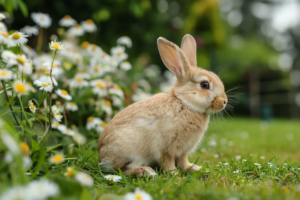
How to Care for a Dwarf Rabbit: Key Tips and Precautions
Dwarf rabbits are small, lively, and gentle, making them a favorite pet rabbit breed, but new owners often make mistakes that put the rabbit at risk. This guide covers the essential setup—cage, water bottle, litter box, diet—and the daily care rules that keep a dwarf rabbit healthy and long-lived.

Key Techniques for Raising Rabbits
Whether for meat, wool, or as a pet, rabbits need scientific care: a fiber-rich diet in small frequent meals, clean non-tap drinking water, a steady 20°C environment, and strict hygiene with 12–15 hours of light. Master these to keep rabbits healthy.
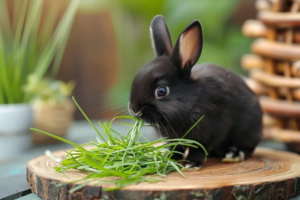
Chinese White Rabbit: Traits and Care Tips
The Chinese white rabbit is an ancient, hardy, disease-resistant breed—small, compact, early-maturing, and prolific. Feed kits a stable diet of quality junior pellets and alfalfa (no veggies/fruit), with constant clean water, to raise them well.

What Milk for Baby Rabbits, and How to Hand-Feed Them
If the doe is separated or low on milk, nursing kits need hand-feeding with rabbit-formula milk, not lactose-rich cow's milk. This guide covers the right formula, mixing ratios, feeding frequency, and weaning.

Do Lop Rabbits Smell? How to Handle a Smelly Rabbit
Lop rabbits are clean, burrow-loving animals that groom themselves and have light-scattering droppings, so they rarely smell. This guide explains why a rabbit may smell—litter habits and scent glands—and how to fix it with training, diet, bathing, and hygiene.