Search Results
151 results for “quality rabbit”
How to Raise Meat Rabbits Well
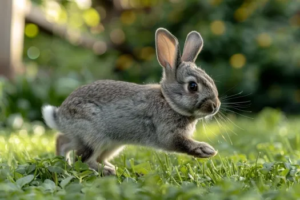
Raising meat rabbits well means timing breeding to the seasons (spring best, summer cooling, autumn nutrition during molt, winter warmth), mixing concentrate, roughage, and green feed or using complete pellets, and choosing fast-growing, disease-resistant breeds such as Belgian, New Zealand, or Chinese White rabbits.

How to Raise Young Rex Rabbits
Young rex rabbits (weaned to 90 days) are fragile and stress-prone, so survival depends on gradual feeding, grouping by size, daily exercise and sunlight, close health monitoring, clean dry housing, and culling weak stock. Feed twice daily to about 80 percent full.

How to Breed Rex Rabbits
Breeding rex rabbits well means setting the first-mating age at 5 to 6 months (about 3 kg), mating in spring or late autumn, using repeated mating 8 hours apart to lift conception, feeding extra protein and vitamins before breeding, and limiting the buck to no more than two matings a day.

Taboos to Avoid When Raising Rabbits on a Farm
Good rabbit husbandry means avoiding common mistakes: keep the hutch dry and quiet, control heat, vary the diet, feed measured amounts, transition feed gradually, and never serve spoiled feed or skip nighttime feeding and water. Following these basics lowers disease risk and keeps rabbits thriving.

How to Prevent Angora Rabbit Breed Degeneration
Angora-rabbit breed decline comes from poor management and ignored improvement. Hold the line with quality bucks, no inbreeding, sensible mating ages (prime adults), healthy breeding stock, controlled sexual maturity, and a 2–4 year service limit with early culling.

How to Identify Pododermatitis (Sore Hocks) in Rabbits
Many owners raise rabbits in dog cages, but rabbits raised this way are prone to pododermatitis. Perhaps some owners know to put padding on the cage floor, but if the padding quality is poor or the method is wrong, it will still cause rabbits to get pododermatitis. Rabbit pododermatitis can be treated, but it is troublesome to treat. Below we detail the identification and treatment of rabbit pododermatitis, hoping to help you.

Characteristics of Pododermatitis Onset in Rex Rabbits
Rex rabbit pododermatitis is a relatively common disease in rabbits and causes significant harm. Although it does not cause immediate death, it can cause great economic losses to rabbit farms. After rex rabbits develop pododermatitis, their appetite decreases and their body gradually becomes emaciated. The disease affects the breeding value of breeding rabbits and the fur quality of commercial rabbits, causing serious economic losses. Today we introduce the onset characteristics of rabbit pododermatitis.

How to Prevent and Treat Rabbit ‘Big Belly’ Disease
Rabbit big-belly disease strikes weanling kits and can kill in 2–3 days, driven by moldy feed or poor nutrition. Prevention is clean feed and a correct formula; treatment ranges from grass-and-exercise to metoclopramide and antibiotics.

How to Grow Forage for Rabbits While Keeping Nutrition and Cost Down
Feed is a major rabbit-farming cost, especially on concentrate-heavy diets. Growing your own forage cuts cost and assures quality. Sow on fertile, watered land; prep soil and basal fertilizer; sow in spring, April to May, or autumn, late September to mid-December; manage fields and pests; harvest at the right stage and store as hay or pelleted feed.
How to Raise Rabbits for Faster Growth
Growth rate is one of the indicators of a rabbit's quality. To raise fast-growing rabbits, focus on selecting fast-growing breeds suited to your local climate, grouping rabbits by size and age for fattening, feeding a balanced grain-based diet on a fixed schedule, providing ample clean water, keeping the hutch clean and well-ventilated, and staying on top of disease prevention.