Search Results
19 results for “puppy vaccination”

What to Know About Puppy Vaccinations
Puppy 'shots' (vaccinations) protect against fast-spreading infectious diseases. Puppies get the first round at 6–8 weeks, then boosters every 3–4 weeks until 20 weeks. Which vaccines depend on size, local law, and lifestyle risks (boarding, ticks, etc.). Repeated shots bridge the gap while maternal antibodies fade.
What to Check When Buying a Purebred Poodle Puppy
Purebred and mixed poodles can look very similar as puppies, so choosing a healthy, well-bred young dog takes a careful eye. Beyond coat and conformation, the real signals of a good puppy are its skin, eyes, body, family history, and vaccination record. Here is a practical checklist before you bring one home.
Characteristics of a Puppy’s Weaning Period
The weaning period is a major transition for puppies. As the mother's milk declines, the pups' fast growth pushes their nutritional needs up, and their digestion begins adapting to soft foods like thin meat porridge. This stage is also stressful and disease-prone — maternal antibodies hit a low around 40 days, so a careful plan matters: start supplemental feeding at 25–28 days, keep the original cage while moving the mother away, follow a fixed feeding schedule to avoid hypoglycemia, and stick to the deworming and vaccination timeline (e.g., Nobivac 2-way at 35 days, 4-way at 50 and 70 days).

What to Do When Dog or Cat Vaccination Fails
Measures to address vaccine failure in dogs and cats, covering nutrition, maternal antibodies, parasites, health status, medication, storage, and scheduling.
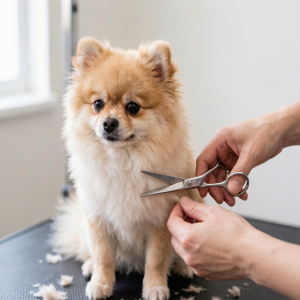
Can You Skip Shaving a Teddy Bear Dog’s Puppy Coat and Just Trim It Gradually?
A Teddy Bear dog's puppy coat does not have to be shaved; shaving it is done for future appearance. The puppy coat is very soft, which is not ideal for later styling, so the owner can decide based on preference. Teddy Bear dogs can generally be shaved at about 5 months, and the regrown coat will be harder and denser, looking great after styling.

Why Your Puppy May Vomit Worms
A puppy that vomits worms usually has roundworms passed from the mother before birth. Prompt, weight-based deworming clears them, but delaying can block the gut. Regular deworming and a vet-guided dose keep puppies safe.
Can a Young Puppy Have Rabies?
Puppies under three months carry their mother's antibodies and are unlikely to have rabies, but after that, unvaccinated pups can. Annual shots and avoiding unknown animals are the safeguard.
Canine Infectious Hepatitis: Can It Be Treated
Canine infectious hepatitis is an acute, often severe viral disease of dogs caused by canine adenovirus type 1 (CAV-1). It spreads through urine, saliva, and nasal discharge and hits weaned puppies hardest, sometimes with no warning signs. Typical signs include a fever that rises then falls, lethargy, vomiting, diarrhea, and a characteristic cloudy "blue eye" in about a quarter of recovering dogs. While there is no direct cure that eliminates the virus, most dogs recover with prompt supportive care such as fluids, liver protection, and antibiotics to control secondary infection. The good news is that the disease is highly preventable through routine vaccination, with puppy shots given at 8-9 and 10-12 weeks and annual boosters for adults.
How to Properly Administer Dog Vaccines
For a vaccine to produce the intended protection, it must be given the right way. Methods vary by product and schedule, but a few rules apply every time: healthy dogs only, parasites cleared first, and careful handling of live vaccines. Following these steps is what turns a shot into real immunity.
What Every Owner Should Know About Pet Vaccines
A vaccine is a weakened or inactivated pathogen that teaches the immune system to recognize and fight the real thing, so a later encounter is met with ready-made defenses. The 'two-, four-, six-in-one' labels describe how many diseases one shot prevents, not how many doses. Core dog combos cover distemper and parvovirus, with added parainfluenza, adenovirus and leptospira; rabies is given separately. Puppies start around 4-6 weeks with a series spaced 3-4 weeks apart. Vaccinate only when healthy, keep one brand, avoid baths during the series, and watch for rare allergic signs.