Search Results
248 results for “puppy skin”

What Your Dog’s Waste and Walk Reveal About Its Health
Beyond temperature, pulse, and weight, a walk is the best window into your dog's health — watch its gait, expression, and the color and shape of its urine and stool. Red or dark urine can mean bleeding, cloudy urine an infection, shiny urine crystals, and orange urine jaundice; soft, bloody, or black stool points to digestive trouble. Catch these early and bring a fresh sample to the vet.

How to Treat Mites in Dogs
Dogs pick up mites easily, and an untreated infestation leads to skin disease. The three main types — sarcoptic, demodectic, and ear mites — each show distinct signs, and treatment runs from topical sprays and ointments for mild cases to injections for widespread infection, with prevention built on regular parasite control and good skin nutrition.

How to Train a Border Collie
Border Collies are brilliant, so success starts with scheduled feeding, daily exercise, and coat care before formal training begins. Teach housebreaking young, add complex tasks as they grow, and correct bad behavior early before it becomes a habit.

Preparing for a New Dog at Home
Bringing a dog home means setting up the environment, safety, and diet first, then handling health — a check-up about a week in, a vaccination plan, and deworming once the dog has settled. Prepare food and water bowls, a cozy bed, and chew toys before the dog arrives.

How Dogs Communicate
Dogs are pack animals that read rank and show love through instinct, scent, and body language. A wagging tail, a rolled-over belly, or a tucked tail each say something specific — learning these signals helps you respond to your dog's feelings.

Why Dogs Lick Their Owners
Dogs lick their owners to show love, win attention, groom them the way a mother dog would, taste food left on the skin, or simply coax a treat. Licking is ordinary canine communication carried over from puppyhood, not a behavior to worry about.
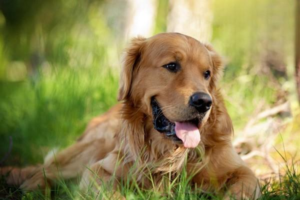
How to Raise a Golden Retriever in Different Climates
Golden Retrievers adapt to cold, heat, and apartment life with adjusted care: high-protein food and draft-proof bedding in cold regions, cool-time walks and shade in humid heat, and leashes plus sun time for indoor dogs. Teach puppies the way home and never let small ones roam loose.

What Foods Can Kill a Dog
Many common foods are dangerous or fatal to dogs—chocolate, onions, grapes, and bones among them. Avoid toxic, high-sugar/salt/fat, and alcoholic or caffeinated items, and keep unripe produce and risky vegetables off the menu to protect your dog's health.

Deworming Cats and Dogs: Methods and Schedule
Parasites are common yet potentially deadly, so regular deworming is non-negotiable — start around one month of age and repeat monthly, covering both internal and external parasites. Knowing the main worms (roundworm, tapeworm, hookworm, and heartworm) and how they spread helps you protect both pet and family.

How Canine Infectious Hepatitis Spreads and How to Prevent It
Canine infectious hepatitis spreads through the saliva, urine, and feces of sick or recovered carrier dogs — the virus survives in the environment for 6–9 months, with unvaccinated puppies at highest risk. Vaccination from 45 days of age plus strict hygiene and isolation are the keys to prevention.