Search Results
63 results for “puppy eye discharge”
How do you choose a sheepdog?
There are many sheepdog breeds; for a family companion choose gentle Shetland or Scottish sheepdogs or smart Border Collies, while working dogs suit German or Australian Shepherds.
How do I choose a Chow Chow?
Pick a Chow Chow by checking it meets breed standards (features, proportions, coat), is healthy (clear eyes/nose, clean ears, no hair loss or skin disease, alert, normal appetite), and is 3-5 months old with full vaccines and regular deworming.
What are the symptoms of tracheitis in puppies?
Common signs are pus-like nasal discharge, dry cough, poor appetite, lethargy, mouth breathing, and bulging eyes. Causes include viral or bacterial infection; see a vet and follow their medication.

Otterhound
The Otterhound, originally from Britain, is a tall, rough-coated scenthound with an extremely keen nose and a curious interest in scents. Gentle and calm, its magnificent head shows great power and dignity, and its strong body and long stride let it work for long periods.
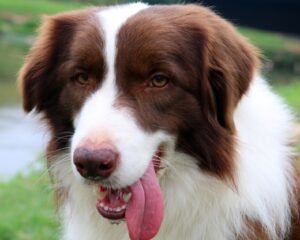
Neapolitan Mastiff
The Neapolitan Mastiff is an ancient, massive Italian breed known for its heavy wrinkles, drooping dewlap, and slobbering. Despite its daunting look, it is gentle, loyal, and devoted to family, needing early training and plenty of space.
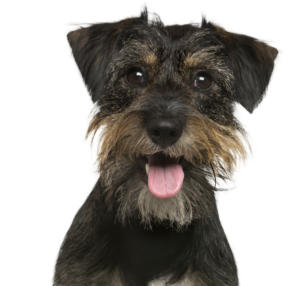
Norfolk Terrier
The Norfolk Terrier, a small working terrier from Britain, is a versatile, cheerful dog once called the 'perfect rascal' of the field for its weatherproof coat and short legs. Brave and reckless yet affectionate, it makes a charming companion for those with room.
What Breeds Are Small White Dogs?
Common small white dog breeds include Pomeranian, Bichon Frise, small white Poodle, Pekingese, Japanese Spitz and Papillon. White dogs need regular brushing and a clean home to stay looking good, and tear stains show more obviously on white fur.
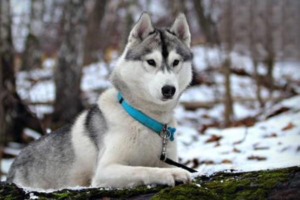
Canine Infectious Hepatitis: Can It Be Treated
Canine infectious hepatitis is an acute, often severe viral disease of dogs caused by canine adenovirus type 1 (CAV-1). It spreads through urine, saliva, and nasal discharge and hits weaned puppies hardest, sometimes with no warning signs. Typical signs include a fever that rises then falls, lethargy, vomiting, diarrhea, and a characteristic cloudy "blue eye" in about a quarter of recovering dogs. While there is no direct cure that eliminates the virus, most dogs recover with prompt supportive care such as fluids, liver protection, and antibiotics to control secondary infection. The good news is that the disease is highly preventable through routine vaccination, with puppy shots given at 8-9 and 10-12 weeks and annual boosters for adults.
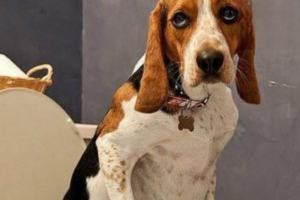
Dog Ear Odor: Could It Be Ear Inflammation?
A dog's L-shaped ear canal makes infection easy, and odor often signals otitis. Inflammation ranges from outer (otitis externa) to middle and inner ear; left untreated, outer infection can progress to the middle ear and even cause hearing loss, loss of balance, or meningitis. Prevention is straightforward: keep ears dry after baths, pluck ear hair in floppy long-haired breeds, and clean weekly with a pet ear solution, never alcohol or peroxide. Regular parasite control also helps, since mites trigger ear infections.
What are the early symptoms of canine distemper and parvovirus?
Early canine distemper shows as respiratory signs - sneezing, runny nose, eye discharge, cough, labored breathing - while early parvovirus brings lethargy, appetite loss, vomiting, diarrhea with a strong foul odor. Both are serious, highly contagious puppy diseases with real mortality; parvo treatment runs about 5-7 days and distemper roughly two weeks, and distemper can leave lingering neurological symptoms even after recovery.