Search Results
31 results for “puffed fur”

How to Prepare Your Cat for Car Travel
Taking a cat out by car - for a vet visit, a move, or a trip - is stressful for both pet and owner. Most cats associate the carrier with bad experiences, which triggers fear and anxiety. The good news is that with preparation you can make travel far easier. This guide covers three areas: getting your cat comfortable with the carrier, preventing travel stress and motion sickness, and what to do on the day of the trip. With the right carrier, familiar scents, pheromones and a little fasting before departure, car rides can become calm and safe.

Why Cats Get Stressed (and What to Do)
Cats are sensitive by nature, and the outside world looks and sounds nothing like home—blurred vision, four-times-sharper hearing, and overwhelming smells can trigger fear. Severe stress weakens immunity and links to FIP, respiratory disease, fatty liver, and urinary problems, so it is best avoided.
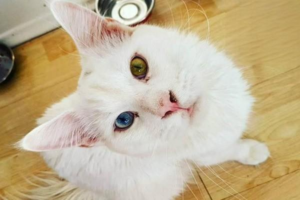
Why Cats Get Stressed — and Why It Matters
A cat's senses make the outside world overwhelming: keen but nearsighted eyes, hearing four times ours, smell many times stronger. Severe stress can even be fatal, and it underlies a large share of cat illnesses — so preventing it is real care.
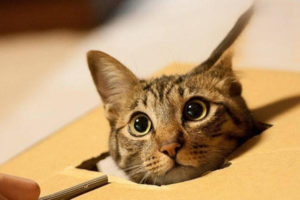
How to Tell If Cats Are Playing or Fighting
Many cat owners get a second cat for company, but since cats are lively, it's hard to tell playing from fighting.

Reading Your Cat’s Emotions Through Body Language
Cats show relaxation, happiness, play, fear, anger, and illness through posture, tail, eyes, and ears. Learning these signals helps you respond calmly and protect both of you.

Can You Make Hamster Chew Sticks at Home?
Hamsters are rodents and must chew to keep teeth from overgrowing. This guide gives a simple homemade chew-stick recipe plus an overview of common commercial chew tools—apple branches, sweet bamboo, and grass rings.
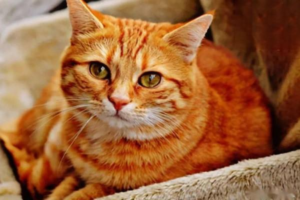
What to Do When Your Cat Is Stressed in a New Environment
Cats feel insecure and are highly sensitive to changes around them. Moving to a new home or a new owner can trigger stress. Learn how to recognize the signs and help your cat settle in calmly.

What Your Cat’s Eyes Are Telling You
A cat's eyes reveal its mood: half-closed eyes mean relaxation, wide round eyes signal surprise (or stress if paired with flattened ears and a puffed tail), and a slow blink is a feline kiss. Looking away is a sign of trust, while dilated pupils show focus or fear.

Why Does Your Cat Suddenly Dart Around the House?
When a cat suddenly tears around the house, pounces at empty air, or arches its back and puffs up, it is usually showing what veterinarians call Frenetic Random Activity Periods (FRAPS)—a normal behavior, especially in kittens and young cats. The triggers are mostly instinctual: a retained hunting drive, excess energy, stress, or heat in unspayed cats. Occasionally, frantic running signals a health problem such as hyperthyroidism, a neurological disorder, or a parasitic infection, particularly when paired with appetite loss, weight drop, or lethargy. Meeting the cat's exercise needs with toys and play, plus a calm, safe environment, keeps normal zoomies harmless and happy.
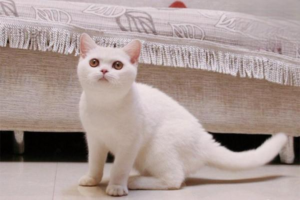
What Your Cat’s Tail Is Telling You: A Guide to Tail Language
Cats are masters of the poker face, but their tails give everything away. A tail held high and slowly swaying is a happy greeting and a request for affection; a big, relaxed sway signals confidence and friendliness. A puffed-up tail with fast flicks means fear or rage and an imminent fight—keep your hands off and speak softly to defuse it. A tail tucked over the belly shows vulnerability (or, when they flop the belly toward you, deep trust), and a gently waving tail during a nap means light sleep. Reading these cues helps you respond to your cat's mood and avoid scratches.
- « Previous
- 1
- 2
- 3
- 4
- Next »