Search Results
13 results for “pudding hamster”
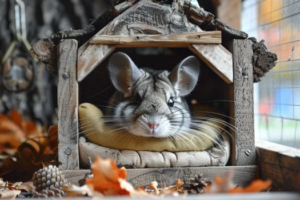
Why Does a Pudding Hamster Bite? What to Do If Bitten
A pudding hamster may bite because your hands smell of food, it senses threat from a stranger, its poor vision mistakes splayed fingers for food, or it smells another hamster on you—all tied to its strong territorial instinct. Wash your hands before handling, keep fingers together, and never tease with a finger. If bitten and bleeding, rinse with soapy water and see a clinic; a light bite without deep tissue can be rinsed well and dabbed with iodine.

Do Pudding Hamsters Bite? What to Do If One Bites You
Pudding hamsters are gentle and rarely irritable, which makes them good for beginners, but they may bite when very nervous or frightened—typically from a new home, being grabbed wrong, sensing another hamster's scent, or smelling food on your hand. Bites rarely carry rabies; rinse any bleeding wound with soap and running water for 15 minutes and disinfect, and see a doctor for deep or heavy bleeding.
What is the Pudding hamster breed like?
The Pudding hamster was developed in Japan, with black eyes and mainly yellow fur, very cute. Its temperament is gentle and it enjoys being held, highly interactive and easy to care for, suiting beginners or children. Most are active and love out-of-cage play, but many are lazy and prone to obesity and diabetes.
What happens if a pudding hamster eats too much?
A pudding hamster that eats too much easily suffers indigestion, with a bloated belly, reluctance to move and lethargy. The owner should stop feeding and let it exercise outside the cage to aid digestion, and also avoid obesity that shortens lifespan.
What if a pudding hamster is too fat and is starved for a day?
Do not starve a fat pudding hamster to lose weight; it harms the gut and causes vomiting, diarrhea, poor appetite, and shorter life. Instead cut daily food to 80%, avoid fatty foods like mealworms and sunflower seeds, then to 60 to 70% after adjustment. Use a bigger cage or out-of-cage time for exercise.

Pudding Hamster
The Pudding Hamster is a popular pet variety named for its pudding-yellow coat. Gentle and easy to handle, it is heat-sensitive, territorial, and can nip — so wash your hands before handling and never co-house it. It lives 1–3 years and needs steady 20–28°C and careful, chew-safe feeding.
When does a pudding hamster change color?
Generally, a pudding hamster changes color noticeably around 2 months after birth, but this does not mean its coat color is fixed. Coat color is also affected by age and season and may still change. In winter, the coat may turn white, then gradually return to its original color as weather warms.

What Breeds of Hamster Are There?
Common pet hamsters include the Campbell's (three-line), Winter White (one-line), Roborovski, and Syrian (golden) hamsters. Campbell's types such as the silver fox and pudding are gentle and can be paired after introductions; Syrians are solitary and short-tempered, so house them alone. Choose purebreds to lower diabetes risk, give a roomy cage with a wheel, and feed a proper mix with treats in moderation.
What is the Winter White hamster (polar bear) like?
The white bear is a Campbell's hamster coat color, more bite-prone than purple, pudding, or silver fox. Do not grab from above, as that triggers attack; approach from the front. On arrival, let it learn your scent before approaching; if it bites, lightly tap its nose as correction.

The Proper Hamster Care Handbook
New owners should pick a gentle breed like the three-lined, purple, silver panda, or pudding hamster, and check health—coordination, limbs, eyes, nose, coat—before buying. Set up a right-sized cage with bottle, bowl, wheel, toilet, bath, bedding, and nest, kept out of sun and drafts. Feed mainly lab blocks (mixed grains) with occasional vegetables, fruit, and cooked meat.