Search Results
6 results for “proteinuria”
What Does Normal Rabbit Urine Look Like?
Normal rabbit urine is yellow and clear, like pale apple juice. White powdery residue suggests excess alfalfa (proteinuria), while brown, orange or dark urine may signal urinary or uterine problems needing a vet check.
What happens if a dog eats too much medicine?
Too much medicine easily poisons a dog, first causing digestive upset and harming the liver. Usual signs are bellyache, diarrhea, vomiting, poor appetite, and lethargy. The drug then burdens the kidneys via the liver, causing damage, proteinuria, or jaundice.
What Is Feline Glomerulonephritis
Feline glomerulonephritis is an immune-mediated kidney disease that most often affects young male cats. It develops when antibody-antigen complexes are filtered and trapped in the glomeruli, the kidney's tiny filtering units. The result ranges from protein-wasting nephrotic syndrome to chronic kidney failure. Recognizing the signs and the treatment goals helps owners act early.
What happens if a dog overdoses on medication?
A medication overdose triggers poisoning — abnormal excitement, diarrhea, vomiting, reduced appetite, drooling, and convulsions, and in severe cases shock, coma, or death. It also harms the liver and kidneys, causing proteinuria and jaundice. Take the dog to a vet for induced vomiting and kidney-protective treatment.

Lyme Disease (Borreliosis) in Dogs and Cats: Symptoms, Treatment, and Prevention
Lyme disease is a tick-borne spirochetal infection caused by Borrelia burgdorferi. It is a natural-focal zoonotic disease that in dogs most often produces intermittent, non-erosive arthritis with lameness that shifts from leg to leg.
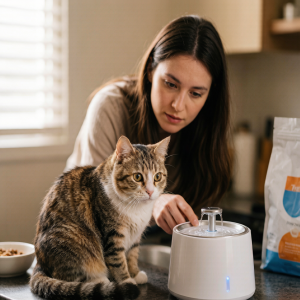
Chronic Kidney Disease in Cats: Symptoms and Treatment
Chronic kidney disease is common in cats and a leading cause of death, mainly because cats drink little, staying dehydrated and stressing the kidneys until function is slowly lost.