Search Results
141 results for “preventive care”
How long do Siamese cats live?
A captive Siamese cat lives on average 10-15 years, and with proper feeding can reach 20. Lifespan depends on feeding method, diet, and constitution, so provide complete nutrition and keep up with vaccinations and deworming.

Can a Dog’s Granuloma Be Treated?
Granulomas usually come from infected skin breaks, low immunity, allergies, or insect and parasite bites. Stop your dog from licking, keep its environment clean, feed well, and deworm regularly to lower the risk.
How long is the incubation period for rabies in cats?
The incubation period is typically 1 to 3 months, sometimes up to a year or more. Rabies is fatal and zoonotic, so vaccinate and watch bites closely.

How to Treat a Neck Sprain in Dogs
If your dog unfortunately suffers a neck sprain, get it to a veterinarian or emergency pet clinic right away. The vet will choose a treatment based on how severe the injury is, commonly using medication, physical therapy, or surgery. After treatment, the dog usually needs a rest period at home to recover fully, and you should follow the vet's advice for care. Neck sprains can happen from jumps, falls, sudden turns, or pulling too hard on a leash and tight collar. This article explains why sprains occur, the immediate steps to take, and the daily habits that help prevent them.

What to Do When Your Cat Has a Weak Immune System
A cat with weak immunity gets sick easily, and several factors can be responsible—an unbalanced diet, an unclean living environment, genetic predisposition, advancing age, chronic stress, or lack of exercise. Because the causes vary, care should be tailored to the individual cat. In general, boosting immunity means feeding a balanced diet, encouraging moderate exercise, keeping the environment clean and sanitary, staying current on parasite control and vaccinations, and providing routine grooming. With consistent, personalized management, you can strengthen your cat's natural defenses and reduce how often it falls ill.
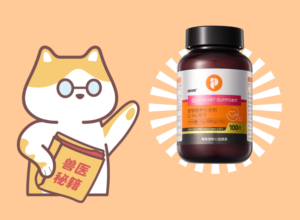
Dog CoQ10 for Seniors and Small Breeds: A Value-Minded Guide
If your dog tires after a few steps, pants often, sleeps longer, or coughs at night, that is not laziness — it is the heart asking for help. Canine heart-disease risk climbs steeply with age (about 10% at 5–8 years, 30% at 8–10, and 45% past 13), which is why CoQ10 is a staple for senior and small-breed care. This guide explains how to judge real value instead of falling for 'cheap' placebos or overpriced imports.

Abdominal Wall Hernia in Dogs and Cats
An abdominal wall hernia is a pouch of abdominal contents pushing through a defect in the belly wall under the skin. Small hernias can be pushed back, but trapped (strangulated) ones cause sudden pain and shock; treatment is surgical repair plus antibiotics.

Jaundice in Dogs and Cats
Jaundice is yellow discoloration of tissues from high blood bilirubin due to blocked pigment metabolism; it is a sign of liver, bile-duct, or hemolytic disease rather than a disease itself. Treatment targets the underlying cause and supports the liver.

Ascites in Dogs and Cats
Ascites is the abnormal buildup of fluid in the abdomen, a chronic condition that may be watery (transudate) or inflammatory (exudate). It causes a symmetrically swollen belly, weakness, and breathing difficulty; treatment targets the underlying disease plus fluid removal and a low-sodium diet.

Peritonitis in Dogs and Cats
Peritonitis is inflammation of the abdominal lining caused by infection, injury, or leakage of gut contents, bringing severe abdominal pain and inflammatory fluid in the belly. Treatment removes the cause, uses antibiotics, and supports fluids and circulation.