Search Results
6 results for “potassium permanganate flush”

Symptoms of Urethritis in Dogs
Canine urethritis is bacterial inflammation of the urethral lining, often from mechanical or chemical irritation or nearby spread (cystitis). Signs are painful, dripping urination with cloudy or bloody urine; treat with antibiotics and potassium permanganate flushes.

How to Treat Feline Rhinitis
Feline rhinitis follows injury or infection of the nasal lining and often turns bacterial; acute cases sneeze, rub the nose, and stream serous-to-mucoid (sometimes bloody) discharge with noisy breathing, while chronic cases drip on and crust, with a foul smell, and can lead to sinusitis or nasal tumors. Treatment flushes the nose, applies local antibiotics or decongestant drops, and tackles the underlying infection — bacterial, fungal, or allergic.

Treatment of Cystitis in Dogs
Cystitis is inflammation of the bladder mucosa and submucosa. In dogs it is often catarrhal, suppurative, or hemorrhagic-necrotic, showing painful, frequent urination. Sediment shows bladder epithelium, pus cells, many red cells, and urate crystals.

Symptoms of Urethral Infection in Dogs
A urethral infection is inflammation of the urethral lining, usually bacterial, often after injury, blockage, or nearby inflammation. Signs are frequent painful urination with cloudy, bloody, or pus-like urine; treat the cause with antiseptics and antibiotics.

Cat Rhinitis: Symptoms and Treatment
Rhinitis is common in people, dogs, and cats alike. For a pet cat with rhinitis, here are the symptoms and how to treat them.
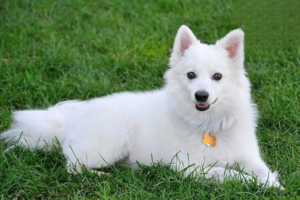
Causes and Treatment of Vaginitis and Vulvitis in Female Dogs
Vulvitis is inflammation of the vestibule and vulva in female dogs, while vaginitis is inflammation of the vagina. The two have similar signs and are treated the same way. Here is what owners should know about canine vulvitis and vaginitis.