Search Results
72 results for “positive training”
What is dog positive training?
Positive training reinforces good behavior with rewards rather than punishing bad behavior, helping dogs learn commands willingly.

What to Keep in Mind When Training a Teacup Dog?
Training a teacup dog takes patience, short frequent sessions, and gentle handling suited to their tiny size. Use positive reinforcement, early socialization, and clear, consistent commands, and always adjust your approach to your dog's individual needs.
Common Mistakes in Dog Training
Raising an obedient dog depends on steady training, but many owners fall into habits that actually slow progress. A common mistake is waiting until a puppy is older, yet dogs mature fast and the window around three months, when they absorb and mimic readily, is prime learning time. Hitting or scolding is another trap: it breeds fear and resistance and can even trigger aggression, whereas rewards and praise build trust. Changing commands and hand signals mid-training only confuses the dog, so keep each cue consistent. Long, exhausting sessions backfire too, so keep training to 15 to 20 minute blocks in a relaxed mood. Finally, skipping socialization, the practice of meeting people, places, and other animals, leaves dogs timid or reactive. Patient, consistent, positive training paired with good nutrition is what truly shapes a well-behaved companion.

Desensitization Training for Cats with Phobias
Desensitization is a good way to treat phobias in cats. The key is to identify the fear source, control the trigger at low intensity, and slowly increase exposure in a random, stepwise manner—always ending each session on a positive note. Generalized fear and medication are also covered.
What Happens If You Hit a Teddy Bear Dog?
Hitting a Teddy (Poodle) is cruel, harming both body and mind; it becomes timid, anxious or aggressive and may avoid you or run away. Use positive training instead of violence.
What Happens If a Teddy Is Beaten by Its Owner?
Frequent beating causes physical harm and psychological trauma, even behavioral and health problems. The dog may become fearful, lose trust, even aggressive. Its small frame and fragile bones risk injury if force is mishandled. Use positive training instead of violence.

What to Do If Your Dog Is Aloof or Unfriendly?
An aloof dog is often timid from poor socialization or bad past experiences and needs patience, gentle care, and positive training. Build trust with time, affection, and clear boundaries.

How to Handle a Bad-Tempered Cat
A cat's bad temper may be innate or caused by poor handling or stress. Build trust through a safe environment, a stable routine, and positive training that redirects its attention, and the behavior will improve.
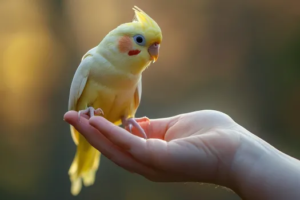
What Is a Cockatiel’s Personality Like?
Cockatiels are smart, playful, and affectionate, but also highly sensitive to routine and can turn moody or nippy when stressed. They thrive on steady schedules, daily interaction, and positive training.

Why Does My Dog Keep Repeating the Same Mistake?
A dog that repeats mistakes usually isn't just stubborn—causes include an inconsistent or too-indulgent owner, low obedience, pent-up energy, attention-seeking, or an underlying health issue. Fix it with consistent correction, patient positive training, enough exercise and play, and a vet check if pain or incontinence is involved.